
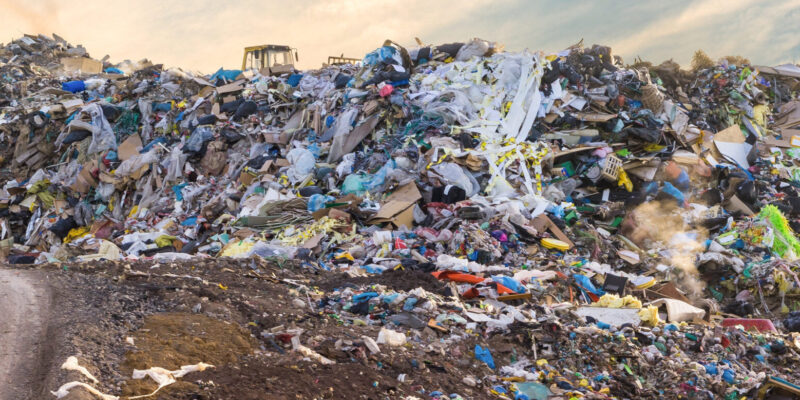
One of the biggest contributors to landfills today is building sites. Construction sites use a variety of different types of materials, and the majority of these are sent directly to landfills. It is approximately 40% of all rubbish that comes from building sites, which equates to around 27 million tonnes in Australia. It is good news to know that after being sent to a landfill, 76% of this waste can be recovered and recycled.
The cost of removing mixed waste from building sites is continuously on the rise, and leaves the overall building costs to keep increasing. Landfill sites across Australia are quickly filling up, and it is anticipated that by 2032, Sydney will have run out of landfill space.
In a way to reduce the cost of rubbish removal and help reduce landfill, there are a variety of ways in which we control our building sites across Adelaide. There are various building materials that can be recycled and disposed of for money.
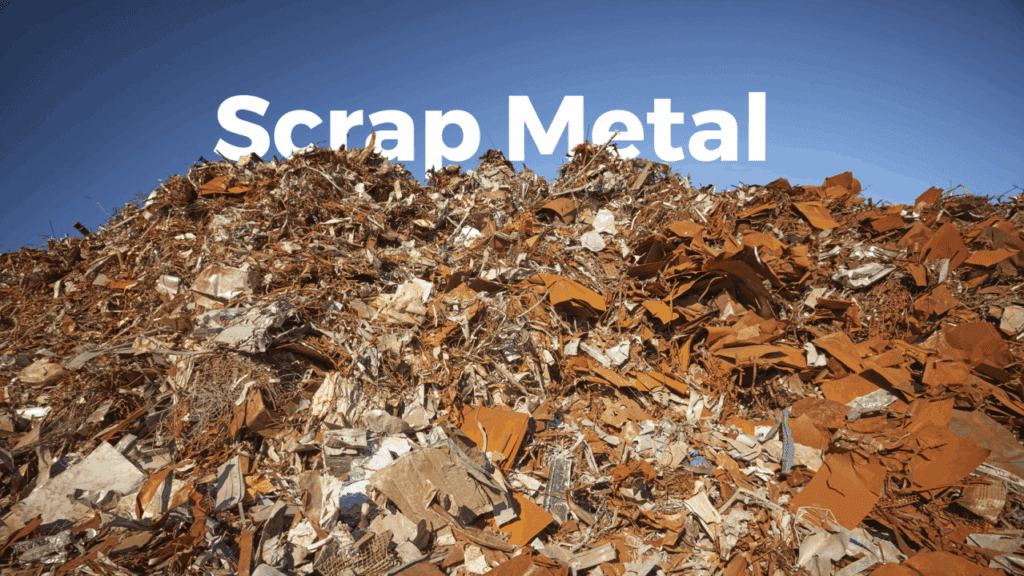
If we look at items such as metal, there are many recycling depots across Adelaide that will take scrap metal for free and give a small amount of money for the metal itself. This is one example of building materials that can be returned into some form of reuse in either the building sector or another area where they can be melted down and repurposed. The Adelaide City Council will take green waste at their depot behind the Adelaide Zoo and then use it as mulch, etc, for their gardens throughout Adelaide.
There are other building materials that can be sold or given to salvage yards for future projects. Items such as Old Red Bricks, Wooden Floor Boards, Doors, Windows, Skirting Boards, Appliances and Roofing Covers (tiles and iron). The benefits of this are reducing landfill and also resources, creating products that already exist.
What Is a Waste Management Plan?
A building site waste management plan should be scoped from the start of the project. The overall design of the building and how it will be positioned on the land are some of the early things to consider, which can minimise landfill and unnecessary energy consumption, which in turn lowers the build cost.
Some simple examples of thought-out planning are:
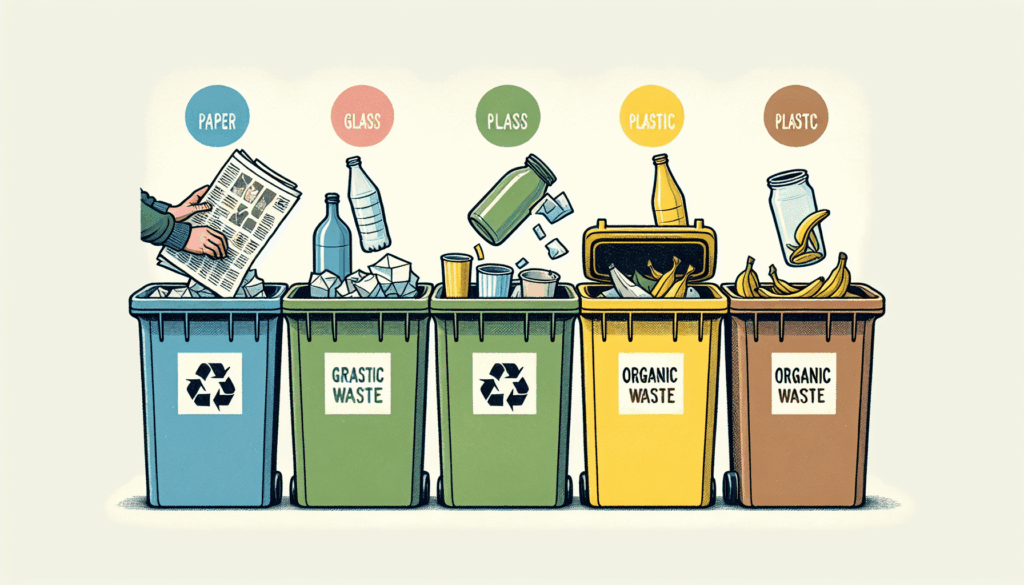
- Multiple material bins are on-site to ensure each type of waste is separated and recycled.
- Using recycled materials such as concrete for the slab, footings and paths.
- The use of natural light assists with heating and lowers electrical installation costs and utility costs.
- Installation of on-site water harvesting for all types of fixtures, which can be used with harvested stormwater.
- Installation of double-glazed windows and doors to minimise heat and cooling costs.
Using a builder who is willing to participate in the management of waste on a building site can be hard to find. It is a sector of the building industry that we believe needs change, and something we are passionate about doing to ensure a cleaner/greener building industry across all of Adelaide building sites.
If we look at what products are used in the building industry and break these down into various categories, you will see in the chart below that concrete products make up the largest waste materials on a typical building site, with non-ferrous metals making up the lowest because many contractors will recycle these before they get to waste.
Percentage Weight of Typical Building Waste Materials
| Waste description | Waste quantity (% of total weight) |
| Concrete products | 22.9 |
| Fines (particles less than 4.75mm in size) | 21.6 |
| Timber | 20.0 |
| Clay products (for example, bricks, tiles) | 8.8 |
| Natural aggregates | 5.6 |
| Ferrous metals | 5.1 |
| Plasterboard | 3.7 |
| Paper and cardboard | 3.2 |
| Plastic | 2.9 |
| Non-ferrous metals | 0.6 |
| Other materials | 5.6 |
| Total | 100.0 |
Source: Department of Environment & Climate Change NSW (2007)
The 3 R’s: Reduce, Reuse and Recycle
Another plan we implement on our projects is the 3 R’s method:
Reduce: Careful planning and ordering of materials helps to reduce the amount of waste, but also reduces the cost of materials and reduces labour and transport costs on the project.
Reuse: There are many things that can be reused on a building project. Items such as timber can be used multiple times throughout a project, and concrete pins and star droppers can be used for all types of tasks and then reused again on another project. Spoil from trenches can be taken to recycling depots and then reused for clean fill sites and garden beds. Many sites today are being built up with retaining walls, and the requirement for clean fill is high.
Recycle: Throughout the building site’s life, there will be large amounts of leftover materials which can be recycled either locally or interstate. Steel from the reinforced concrete can be melted down and reused, timber can be ground up and reused for mulch or firewood, and plastics can be melted and reused for other plastic-based materials. Rubber is another product that can be melted down and repurposed for other uses, such as safe flooring for playgrounds and other plastic equipment.
Sediment Control
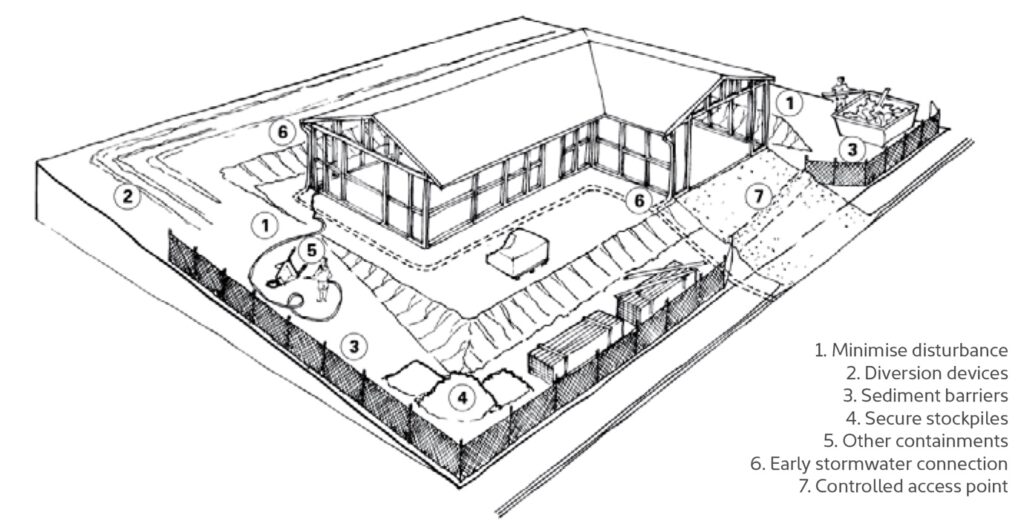
When you look at the majority of building sites, particularly in the early stages, there is a lot of work done in the ground. When the initial stages of a building commence we there will be soil removed and potentially soil stockpiled for future use. It is important to have a sediment control plan in place. What a sediment control plan implements is the loss of soil during the project, and also the protection of our waterways.
Although this does not sound like direct waste management, it assists. By controlling soil loss at the building site, it stops public complaints, it minimises the need for future imported fill to be bought to the building site, it helps to reduce the effect of wet weather shutdowns during construction, and also the requirement of other remediation works further down the line, such as cleaning of contaminated waterways both locally and further down the line.
Pollution Control On The Building Sites
Another precaution that can be taken during the building process is the active management of pollution on the building site and during the entire building process.
It is quite amazing to see what some simple tasks, if implemented, can help withwaste management and also pollution to our waterways, etc. Below are a few tasks that we implement on our building sites to manage pollution:
- Wash down bays for painters: The provision of dedicated painter’s wash down
stations ensures that all paint is captured into containers and then correctly disposed
of. This avoids the excess paints making there ways into the waterways and out to
sea and protects the groundwater table, which people nearby could be using the
water for bore pumps. - Tyre wash down stations: Particularly at the start of a project, there are a lot of
vehicles that are coming and going, and when the site is wet, mud sticks to the tyres
and needs to be removed before the vehicle leaves the site. With the use of tyre
wash down stations, this minimises the amount of mud that leaves the building site
and maintains cleaner waterways. - Temporary stormwater controls: The use of temporary downpipes allows for the
management of rainwater during the building process. Controlling stormwater
minimises excess soil and dirt reaching our waterways during construction and also
stops heavy erosion of the site. - Noise control: The Environment Protection Authority has set up rules for work site
noise allowance and avoiding noise pollution. During the hours of 7 am to 7 pm,
Monday to Saturday, general construction noise is acceptable. During the hours of 9
am and 7 pm, waste collection is acceptable on Sundays and Public Holidays. If you
are seeking to work outside of these hours, it may be necessary to contact your local
authorities and the EPA to gain the correct permits.
For more information on construction noise, you can find it here: https://www.epa.sa.gov.au/files/4773_info_noise_construction.pdf
Connection of Temporary Site Toilet Directly To Sewer
When a temporary site toilet is installed on the building site, it is very helpful to the minimisation of waste and pollution if the toilet can be plumbed up to the mains sewer line. There are a couple of advantages of doing this. Firstly, the odour emitted from the temporary toilet is a lot lower (much better for existing built-up areas), and secondly, the need to have a truck come to the site, pump the toilet and then drive it to another location and dispose of it is no longer necessary.
So overall, we are saving money on the build costs, a lot of energy, and not harming the environment by doing something as simple as connecting a site toilet to the main sewer line during construction.
Leading The Way To Waste Control On All Building Sites Across Adelaide
At Mayfair Building Group, we are moving in a direction to help improve the building industry’s waste management on all projects, no matter how large or small the project or no matter what the location. Our company has a sound reputation for delivering projects in the CBD, Fleurieu Peninsula and Adelaide Hills.
With a constant eye for the evolving building industry, we ensure that our company stays ahead of the future, and this makes Mayfair Building Group a standout industry leader. Find out how we can work with you and make the waste from your next project go further.
The Benefits Of OMC Quarry Products
During the construction phase of a new home, building or facility, there are numerous processes that require the use of quarry products. The importing of rubble for concrete pads, backfill (sand and screenings) for service trenches, brick laying (lime and sand) and the preparation for new concrete paths, garage pads and driveways.
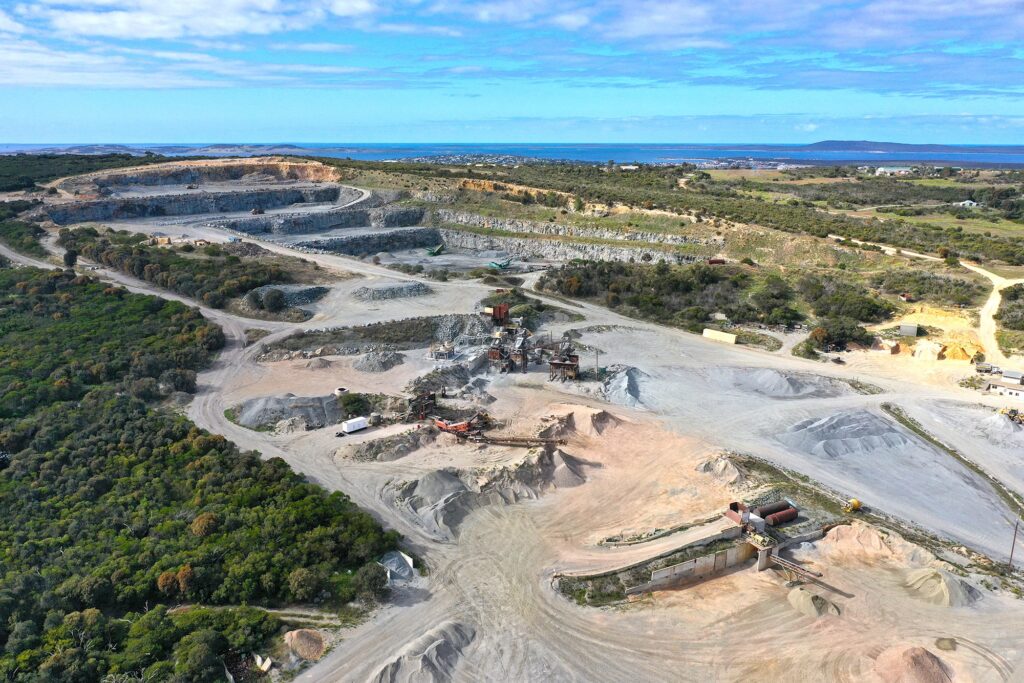
All these products come directly from a quarry or a recycling plant if we are using recycled rubble. When delivered to the site, the dust level can be very high, which is not ideal when trying to manage airborne particles on the site to comply with pollution levels. To minimise this, we will order the products OMC.
The Three Letters
OMC stand for Optimum Moisture Content. The quarry products are delivered to the site pre-soaked in water. The benefits of this are that one, the airborne dust is minimised, and two, the handling of these products is better.
Who Can Provide OMC Products To Building Sites In Adelaide
When ordering quarry products for a building site, we will typically use a supplier called Clay and Minerals. They have multiple pits across Adelaide in the North and South of the state, so no matter where our project is, they can accommodate us.
Other suppliers would be the likes of Boral, Heidelberg Materials, Resource Co and Hallet Group. With a large amount of infrastructure projects currently underway in Adelaide, such as the new South Road Tunnels, Major intersection upgrades, such as Marion Road/Sir Donald Bradman Drive and Plympton/Glandore tram grade separation being constructed, the use of OMC quarry products will be a significant help to minimise air pollution to surrounding residents during construction.
Common Questions
Read questions we get asked about this topic.
What are the main types of waste generated on construction sites?
The main types of construction waste include concrete and masonry, timber offcuts and formwork, metal scraps including steel and copper, packaging materials like cardboard and plastic, and hazardous materials such as paints and solvents.
How can construction waste be reduced at the source?
Waste can be reduced by ordering accurate material quantities, using prefabricated components, planning cuts carefully to minimize offcuts, reusing materials where possible, and implementing just-in-time delivery to prevent material damage.
What construction materials can be recycled in Adelaide?
Recyclable construction materials in Adelaide include concrete (crushed for aggregate), metals (steel, aluminum, copper), timber (for mulch or chipboard), cardboard and paper packaging, and certain plastics. Many local facilities accept these materials.
What size skip bin do I need for my construction project?
Skip bin size depends on project scale. Small renovations typically need 2-3m³ bins, medium projects require 4-6m³, and large construction sites may need 8-12m³ or multiple bins. Consider waste volume, site access, and collection frequency when choosing.
How should hazardous construction waste be disposed of in Adelaide?
Hazardous waste must be handled according to EPA South Australia regulations. Use licensed contractors for disposal, keep materials in original containers when possible, never mix different hazardous substances, and maintain proper documentation of disposal.
What are the benefits of proper construction waste management?
Benefits include reduced landfill costs, potential revenue from recyclable materials, compliance with environmental regulations, improved site safety, enhanced company reputation, and contribution to environmental sustainability.
Why do the builders always have sprinklers, etc. running during the demolition of a building?
When demolition is undertaken on a construction site, there are often high levels of dust, and one of the best proven methods of dust suppression is the introduction of water to help minimise air-borne particles. This is why you will often see sprinklers and hoses in use during the demolition of buildings and the removal of concrete slabs and walls.
Is there still asbestos in Adelaide?
Although asbestos is no longer used in Adelaide, there is still asbestos in the state. Asbestos was used widely throughout the building industry in Australia from 1940 through to the 1980’s. It was commonly used for wall linings in bathrooms, laundries, floor tiles in kitchens and external cladding. Other uses for asbestos were fire retardant, insulation of pipes, guttering, roof sheets and fence panelling.
Who can remove asbestos?
Quantities of asbestos up to 10 square metres (non-friable) can be removed by non-asbestos companies with the correct permits and by following strict local guidelines.
Asbestos quantities over 10 square metres need to be removed by a licensed asbestos removal company. Safe Work SA needs to be given 5 business days before the commencement of any asbestos removal in South Australia. Asbestos removal is not a cheap project to undertake and will require air monitoring control to ensure air particles do not travel beyond the control zone of the project.
What does asbestos cost to remove in a bathroom and laundry?
If we consider a typical laundry and bathroom with wall linings of asbestos, a budget of around $7,500 to $11,000 is what it would currently cost at the time of writing this article to have these wall linings safely removed and disposed of by a licensed asbestos company in Adelaide. With the rising costs of labour and disposal, these costs will likely rise throughout 2026.
How much longer will asbestos be around in Adelaide?
This is a hard question to put an exact number on, but as more people continue to renovate their existing houses instead of moving homes due to rising house costs and stamp duty in South Australia, the rate at which asbestos is being removed across Adelaide is increasing.
Typically, waiting periods for asbestos removal can be as long as 2 months, which further backs up the demand for its removal in Adelaide. There is no doubt that there will always be asbestos left somewhere in an old home if not renovated, but it is certainly being removed at a good pace across the state. In most cases, as long as the asbestos is left untouched and not tampered with, it does not cause harm to humans or animals in its vicinity.