
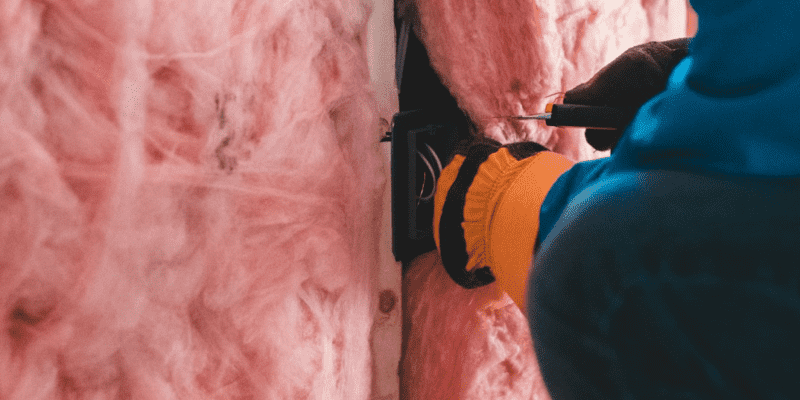
In Australia, ensuring your home has adequate insulation is essential for comfort and energy efficiency. Roof insulation plays an important role in regulating your home’s temperature, reducing heating and cooling costs, and enhancing overall thermal performance. By understanding the different types of insulation and their benefits, you can make an informed decision on the best insulation for your roof.
Also see our article on how to install wall insulation.
Types of Roof Insulation
Bulk Insulation
Bulk insulation works by trapping pockets of air within its structure, resisting heat flow, and is commonly used for ceiling insulation. This type includes insulation batts, loose fill insulation, and rigid foam. Bulk insulation is effective in both cooler and warmer climates, providing excellent thermal resistance.
- Insulation Batts (Pink batts): Typically made from glass wool, polyester, or natural fibers, batts are easy to install between roof rafters and ceiling joists. They offer high R-values, important for resisting heat flow and improving thermal efficiency.
- Loose Fill Insulation: Made from materials like cellulose, fiberglass, or recycled paper, this insulation is blown into roof spaces, ideal for irregularly shaped areas.
- Rigid Foam: Rigid foam panels, often used in flat ceiling installations, offer high thermal resistance and can be installed under roofing materials.
Reflective Insulation
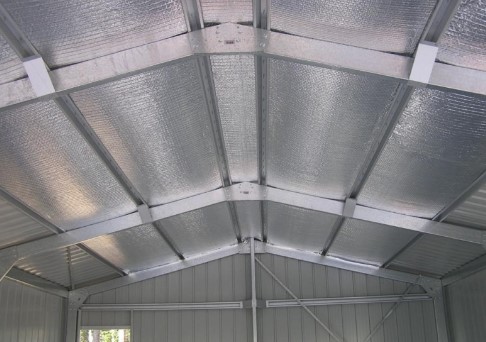
Reflective insulation, such as reflective foil insulation, consists of aluminum foil laminated onto paper or plastic. This type reflects radiant heat away from your home, making it particularly effective in warmer climates where heat gain is a concern. Reflective insulation is often installed under metal roofs and sheds, and can be combined with bulk insulation for enhanced performance.
- Reflective Foil Insulation: This thin layer of aluminium foil reflects up to 95% of radiant heat, reducing cooling costs significantly. It’s commonly used in roof spaces and installed alongside other insulation products to maximise efficiency.
Spray Foam Insulation
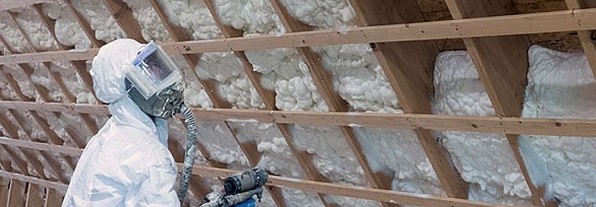
Spray foam insulation is applied as a liquid that expands into a foam, filling gaps and providing a seamless barrier against air leakage and heat transfer. It offers high R-values and is effective in preventing moisture buildup and mold. Spray foam can be used in various roof configurations, including pitched roofs and cathedral ceilings.
Understanding R-Values and Australian Standards
What Are R-Values?
R-values measure an insulation material’s resistance to heat flow. The higher the R-value, the better the insulation’s ability to resist heat transfer. Australian building codes, guided by the Australian Building Codes Board (ABCB), specify minimum R-values for different climate zones to ensure thermal efficiency and comfort.
- High R-Value Insulation: Essential for achieving adequate insulation in both cooler and warmer climates, high R-value materials resist heat loss in winter and heat gain in summer.
Compliance with Australian Standards
Choosing insulation that complies with Australian standards ensures your home meets regulatory requirements and maximises energy efficiency. The ABCB provides guidelines on the appropriate R-values for different climate zones, which vary across Australia from temperate climates to tropical regions.
Installation Process of Roof Insulation
Preparing Your Roof for Insulation
Proper preparation is important for effective insulation. Installing insulation correctly is important for maximising its effectiveness and ensuring long-term performance. This involves assessing your roof space, identifying any air leakage or moisture issues, and ensuring the roof structure is sound.
- Install Insulation Correctly: Follow manufacturer guidelines and Australian standards to install insulation effectively, whether you’re using batts, spray foam, or reflective foil. Consider the type of roof, such as pitched roofs with flat ceilings, and the climate zone when choosing insulation. Regular maintenance and checking for air leaks are also important.
- Safety Tips: Wear protective gear, ensure good ventilation, and follow safety precautions to avoid hazards during installation.
DIY vs. Professional Installation
While DIY installation can save costs, professional installers ensure the job is done correctly and safely. Insulation specialists can provide advice on the best roof insulation options and ensure compliance with building codes.
Cost Analysis and Budgeting
Breakdown of Insulation Costs
The cost of roof insulation varies depending on the type of insulation material, the size of your roof space, and installation complexity. Here’s a general breakdown:
- Insulation Batts: Cost-effective and easy to install, with prices varying based on material (e.g., fiberglass, polyester).
- Spray Foam: Higher upfront cost but offers superior performance and longevity.
- Reflective Foil Insulation: Mid-range cost, especially effective in reducing cooling costs.
Long-term Savings and ROI
Investing in high-quality insulation provides long-term savings on energy bills. Efficient insulation reduces heating and cooling costs, offering a significant return on investment over time.
Environmental Impact and Sustainability
Eco-Friendly Insulation Options
Sustainable insulation materials, such as recycled glass wool and cellulose, minimise environmental impact. Choosing eco-friendly options can reduce your carbon footprint and contribute to greener building practices.
- Polyester Insulation: Made from recycled plastic, it’s a durable and sustainable choice.
- Glass Wool: Often produced from recycled glass, it offers excellent thermal performance and fire resistance.
Maintenance and Longevity of Roof Insulation
Routine Maintenance Tips
Regular maintenance ensures your insulation remains effective over time. Check for signs of wear, moisture damage, or pests.
- Signs of Wear and Tear: Look for compressed or damp insulation, which can reduce effectiveness.
- Repair and Replacement: Repair damaged areas promptly and replace insulation when necessary to maintain thermal performance.
Final Points
Choosing the best insulation for your roof involves understanding the different types of insulation, their benefits, and compliance with Australian standards. By investing in high-quality insulation and ensuring proper installation, you can significantly reduce heating and cooling costs, enhance energy efficiency, and improve your home’s comfort.
Below You Can Find Some Additional Information On Insultation Types
Foam Insulation
Foam insulation, including spray foam and rigid foam, offers high thermal resistance and is effective in sealing gaps and preventing air leakage. It’s suitable for various roof types, including pitched and flat ceilings, and provides long-term durability.
Fiberglass Insulation
Fiberglass insulation, often available as batts or loose fill, is widely used due to its affordability and excellent thermal performance. It’s fire-resistant and suitable for both ceiling and roof spaces.
Reflective Foil
Reflective foil insulation is particularly effective in hot climates, reducing radiant heat transfer and cooling costs. It can be installed under metal roofs and combined with other insulation materials for improved efficiency.
Special Considerations for Different Roof Types
Metal Roofs
For metal roofs, combining reflective foil insulation with bulk insulation can enhance thermal performance and reduce noise from rain. Ensure the insulation material is compatible with the roofing material to prevent corrosion.
Pitched Roofs
Pitched roofs benefit from both bulk and reflective insulation. Ensure adequate ventilation to prevent moisture buildup and consider using high R-value materials to maximise thermal efficiency.
Cathedral Ceilings
Cathedral ceilings require insulation with high R-values due to their limited space for insulation materials. Spray foam is an excellent choice for these ceilings, providing effective thermal insulation and air sealing.

Climate-Specific Recommendations
Cooler Climates
In cooler climates, focus on insulation materials with high R-values to minimise heat loss. Bulk insulation, such as fiberglass or polyester batts, is effective in maintaining warmth during winter.
Warmer Climates
For warmer climates, prioritise reflective insulation to reduce heat gain and cooling costs. Reflective foil insulation combined with adequate bulk insulation can keep your home cool and energy-efficient.
Temperate Climates
In temperate climates, a balanced approach using both bulk and reflective insulation is ideal. This combination provides year-round comfort by reducing heat loss in winter and heat gain in summer.
Expert Tips for Maximising Insulation Efficiency
Preventing Moisture Buildup
Moisture can compromise the effectiveness of insulation. Ensure proper ventilation and use vapor barriers where necessary to prevent moisture buildup and mold growth.
Air Leakage
Seal any gaps or cracks in your roof space to prevent air leakage, which can undermine the effectiveness of your insulation. Use foam insulation or sealants to create a tight barrier against air infiltration.
Choosing the Right Insulation Product
Consult with insulation specialists to select the best insulation product for your specific needs and climate zone. Consider factors like thermal performance, cost, environmental impact, and ease of installation.
Investing in the best roof insulation for your Australian home can significantly enhance energy efficiency, reduce heating and cooling costs, and improve overall comfort. By understanding the different types of insulation, their benefits, and the importance of compliance with Australian standards, you can make an informed decision that will provide long-term benefits.
Whether you choose bulk insulation, reflective foil, or spray foam, ensuring proper installation and maintenance will maximise the effectiveness of your insulation and contribute to a sustainable and energy-efficient home.