
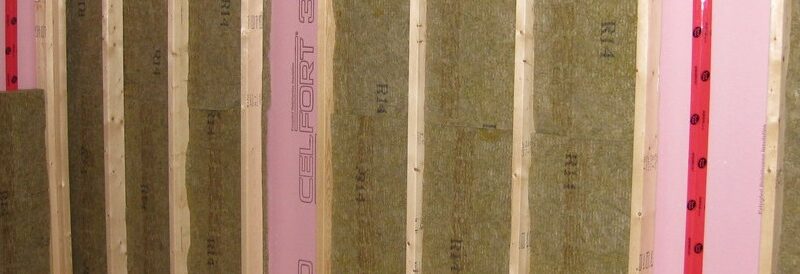
Installing wall insulation in Australia is important for maintaining comfortable indoor temperatures throughout the year. Proper insulation helps keep your home warm in winter and cool in summer, significantly improving energy efficiency. Below are steps on how to install wall insulation, focusing on practical steps and important considerations.
Introduction
Wall insulation plays a significant role in enhancing the energy efficiency of homes. By installing wall insulation batts, you can reduce heat transfer, ensuring a more comfortable living environment and lower energy bills. This guide covers everything you need to know about installing wall insulation in Australia.
Types of Wall Insulation
Different types of insulation materials are available, each with its unique properties. The most common types include:
- Fiberglass Insulation Batts
- Foam Board Insulation
- Spray Foam Insulation
- Cellulose Insulation
- Glass Wool (wall insulation batt – pink batts)
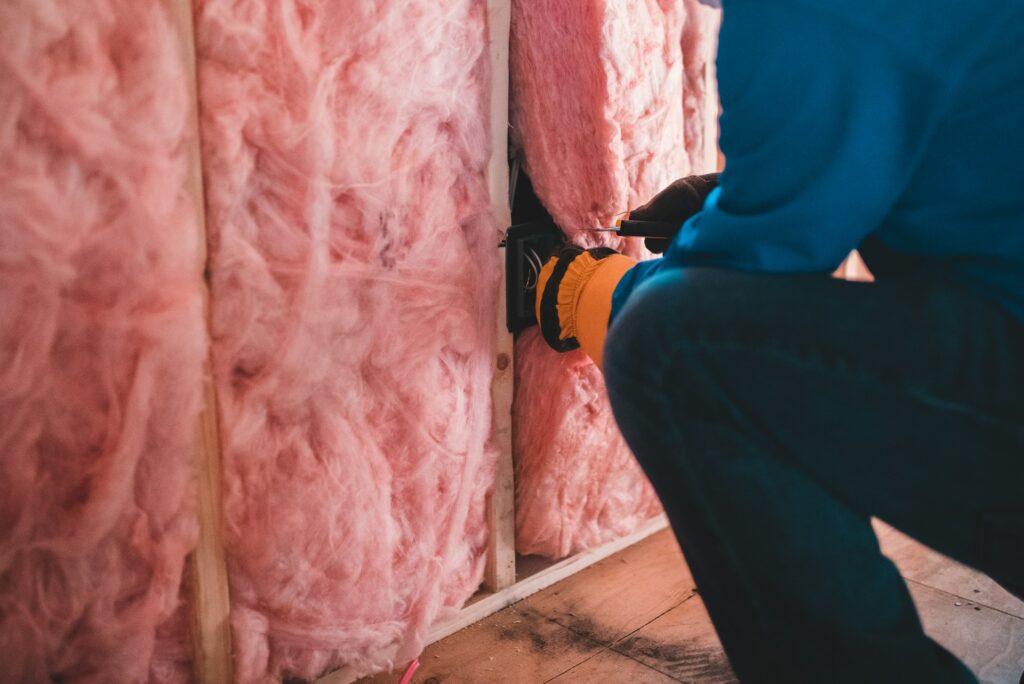
Each material has a specific R-value, representing its thermal resistance. The higher the R-value, the better the insulation performance. The material R-value represented specifies the R-value of the product material at a certain mean temperature according to industry standards.
Preparing for Installation
Assessing the Wall Structure
- Inspect the stud cavity and identify any obstructions such as electrical wiring, plumbing, or ventilation ducts.
- Determine the material R-value required for your location’s mean temperature and climatic conditions. The material R-value is independent of heat flow direction, meaning that the same R-value is achieved in both summer and winter conditions.
Measuring and Cutting Insulation
- Measure the dimensions of the wall cavities (and external wall) and cut the insulation batt to fit using a sharp knife or utility knife.
- Use a cutting board to protect surfaces and ensure straight cuts.
Tools and Materials Needed
- Insulation batts
- Dust mask and safety glasses
- Utility knife and cutting board
- Staple gun
- Tape measure
- Long sleeve shirt and gloves for protection
Safety Precautions: Using a Dust Mask
Safety is paramount during insulation installation. Here are key precautions:
- Wear a dust mask, safety glasses, and protective clothing like a long sleeve shirt.
- Turn off power to the work area to prevent power accidents. Attach a warning tag to the fuse box to ensure the power is not restored prior to completion.
- Handle insulation materials carefully to avoid skin irritation or respiratory issues.
Installing Fiberglass Insulation Batts
Preparing the Wall Cavity: Managing Electrical Wiring
- Ensure the cavity is clean and free from debris.
- Install a vapour barrier if required, especially for external walls.
Placing the Insulation
- Insert the insulation batts into the wall cavity, starting from the bottom plate and working your way up to the top plate.
- For interior walls, R-13 batt insulation is recommended to shield from extreme heat and cold.
- The insulation should be a friction fit between the studs, ensuring it stays in place without sagging.
- Make sure the insulation is completely covered and fits snugly around obstacles like electrical cables and plumbing.
Securing the Insulation
- Use a staple gun to attach the insulation to the studs, ensuring it remains secure and does not shift.
- Seal any gaps with tape to prevent air leaks and ensure the insulation is completely surrounded.
Installing Glass Wool (Pink Batts)
What is Glass Wool?
Glass wool, commonly known as Pink Batts in Australia, is a popular insulation material made from recycled glass. It offers excellent thermal and acoustic insulation properties.
Benefits of Using Pink Batts
- High R-value providing efficient thermal insulation.
- Non-combustible and safe to use in residential buildings.
- Effective in reducing noise levels due to its acoustic properties.
Installation Process for Pink Batts
- Measure and Cut the Batts:
- Similar to other insulation materials, measure the wall cavities and cut the Pink Batts using a sharp knife.
- Ensure the batts fit snugly within the studs without any gaps.
- Place the Batts:
- Insert the Pink Batts into the wall cavity, ensuring they are properly aligned and extend from the bottom plate to the top plate.
- Ensure the batts fit around any electric cables and plumbing without compressing them.
- Secure the Batts:
- Use a staple gun to secure the Pink Batts to the studs. Make sure the batts are held firmly in place.
- Seal any joints or gaps with appropriate tape to ensure no air leakage.
- Safety Precautions:
- Always wear a dust mask, safety glasses, and a long sleeve shirt to protect against irritation from the glass fibers.
Sealing and Finishing
Sealing Gaps and Seams
- Use caulking or sealing tape to close any gaps around windows, doors, and other penetrations.
- Ensure the insulation is completely covered and all seams are sealed to prevent air leaks.
Installing the Interior Lining
- Once the insulation is securely in place and all gaps are sealed, install the internal lining such as plasterboard or drywall.
- Ensure the lining is properly fixed to the studs, creating a neat and secure finish.
Maintenance and Inspection
Regular Inspections
- Periodically check the insulated walls for any signs of damage or moisture intrusion.
- Ensure the insulation remains in place and is not compressed or dislodged.
Addressing Issues
- Repair any damaged areas promptly to maintain the insulation’s effectiveness.
- Upgrade insulation if necessary to maintain optimal thermal performance.
Ensuring Ventilation
Proper ventilation is crucial to prevent moisture buildup and ensure the longevity of the insulation. Proper ventilation in the roof space is also essential to prevent moisture buildup and ensure the longevity of the insulation.
Ensure exhaust fans and other ventilation systems are functioning correctly.
Final Points
Installing wall insulation (insulation installation) in Australia involves careful planning, the right materials, and attention to detail. By following this guide, you can ensure your home is well-insulated, energy-efficient, and comfortable year-round. Proper installation not only improves thermal performance but also contributes to significant energy savings, making it a worthwhile investment for any homeowner.