
Understanding how long hot water systems last is important for making informed decisions about maintenance, replacement, and long-term investment in your home. On average, a hot water system’s lifespan ranges from 8 to 12 years, depending on the type, usage, and maintenance.
Types of Hot Water Systems and Their Expected Lifespan
Electric Hot Water Systems
Electric hot water systems are among the most common in residential settings. Typically, these systems have an average lifespan of 10 to 15 years. The longevity of electric systems depends heavily on the quality of the heating elements and the tank itself. Regular maintenance, including flushing the tank to remove sediment buildup, is essential to prolong the lifespan of these systems.
Gas Hot Water Systems
Gas hot water systems usually last between 8 and 12 years. These systems use a gas burner to heat water and are generally more energy-efficient than electric systems. However, they require careful consideration of the installation quality and regular maintenance to avoid major problems, such as the buildup of sludge or sediment, which can significantly impact their lifespan.
Solar Hot Water Systems
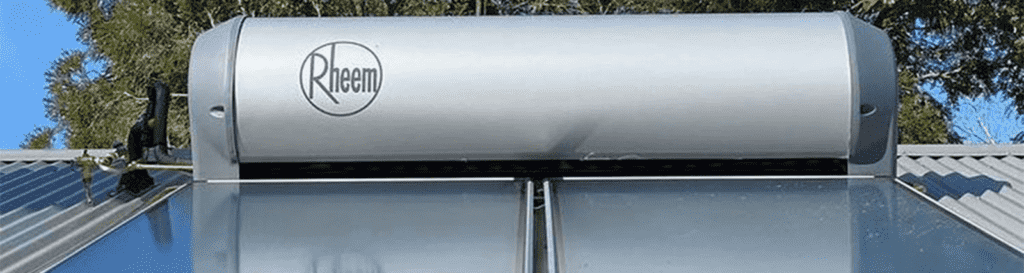
Solar hot water systems have a longer average lifespan, typically between 15 and 20 years. These systems use solar panels to heat water, making them more environmentally friendly and cost-effective in the long run.
However, the lifespan of a solar hot water system can be affected by factors like water quality and the efficiency of the solar panels. Regular inspections and maintenance are IMPORTANT to ensure the system is functioning correctly and to avoid any potential issues that could shorten its life expectancy.
Tankless Hot Water Systems
Tankless systems, also known as continuous flow systems, can last up to 20 years. These systems provide hot water on demand, which reduces wear and tear compared to storage tank systems. However, the longevity of tankless systems depends on regular maintenance and timely repairs. Hard water can cause buildup inside the system, so ensuring good water quality is vital.
Factors Influencing Hot Water System Lifespan
Quality of Installation and Materials
The installation quality of your hot water system plays a significant role in its lifespan. Poor installation can lead to issues such as leaks, inefficient heating, and premature failure of components. It is essential to hire a licensed plumber to ensure the system is installed correctly. The materials used in the system, such as enamel-lined tanks and high-quality heating elements, also impact longevity.
Water Quality
Water quality is another critical factor that affects the lifespan of hot water systems. Hard water, which contains high levels of minerals, can lead to sediment buildup in the tank and pipes, causing corrosion and reducing efficiency. Installing a water softener can help mitigate these issues and extend the useful life of your hot water system.
Usage Patterns
Usage patterns significantly impact the lifespan of hot water systems. Systems in larger households or those with high hot water demand where bathrooms are used very regularly or kitchens with a dishwasher for example. will experience more wear and tear than those in smaller households. Additionally, colder climates can put more strain on the system, as it has to work harder to heat the water.
Maintenance Tips to Extend Lifespan
Regular Maintenance
Regular maintenance is crucial for extending the lifespan of your hot water system. This includes flushing the tank annually to remove sediment, checking and replacing the anode rod, and inspecting the system for leaks or other issues. Regular inspections by a licensed plumber can help identify and address potential problems before they become major issues.
Timely Repairs
Addressing issues as soon as they arise is vital for maintaining the efficiency and longevity of your hot water system. Ignoring problems like strange noises, leaks, or inconsistent water temperature can lead to more severe damage and costly repairs. Timely repairs ensure that the system continues to function correctly and efficiently.
Signs of a Failing Hot Water System
Common Indicators
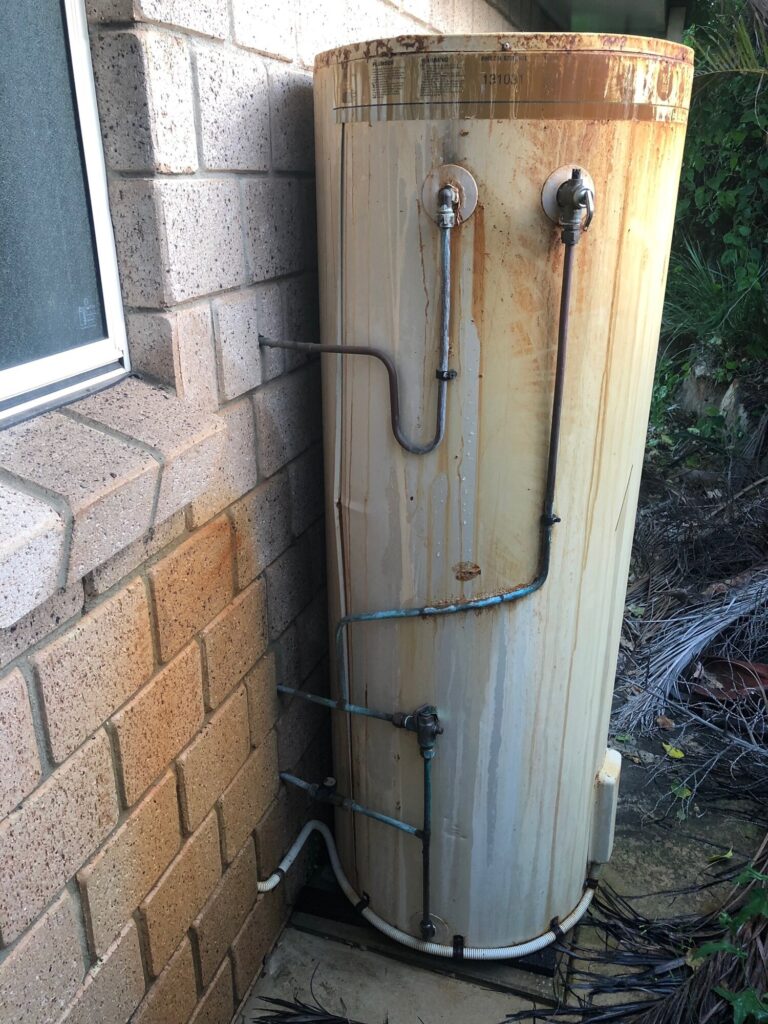
Several signs indicate that your hot water system may be nearing the end of its life. These include rusty or discoloured water, which can indicate corrosion inside the tank, and strange noises, which may suggest sediment buildup or other internal issues. Other signs include inconsistent water temperature, reduced hot water supply, and increased energy bills.
When to Replace
Determining when to replace your hot water system requires careful consideration of its age, condition, and performance. If your system is over 10 years old and experiencing frequent issues, it may be more cost-effective to invest in a new system rather than continuing to pay for repairs.
Comparing Lifespan of Different Brands
Brand-Specific Lifespan
Different brands of hot water systems offer varying levels of reliability and longevity. Researching and comparing the lifespan and performance of various brands can help you make an informed decision. Consumer reviews and expert opinions can provide valuable insights into the most reliable hot water heaters on the market today.
Warranties and Customer Service
When selecting a hot water system, consider the warranties and customer service offered by different manufacturers. A good warranty can provide peace of mind and protect your investment, while responsive customer service can help address any issues that arise during the system’s lifespan.
Cost Analysis and Replacement Considerations
Replacement vs Maintenance
Deciding whether to replace or maintain your hot water system involves weighing the costs and benefits. While regular maintenance can extend the system’s lifespan, there comes a point when replacement is more cost-effective. Consider the long-term savings of an energy-efficient model, which can reduce operating costs and provide better performance.
Financing Options and Rebates
Investing in a new hot water system can be expensive, but various financing options and rebates are available to help offset the cost. Many energy companies and government programs offer incentives for installing energy-efficient systems, such as solar systems or heat pumps.
Environmental Impact of Hot Water Systems
Sustainability Considerations
Hot water systems can have a significant environmental impact, particularly in terms of energy consumption and greenhouse gas emissions. Choosing an energy-efficient system, such as a solar hot water system, can reduce your carbon footprint and contribute to a more sustainable future.
Reducing Carbon Footprint
There are several ways to reduce the environmental impact of your hot water system. Installing a heat pump or solar panels can significantly decrease energy usage. Additionally, ensuring proper maintenance and addressing issues like sediment buildup can improve the system’s efficiency and reduce waste.
Final Notes
Summary of Key Points
In summary, the lifespan of hot water systems varies depending on the type, installation quality, water quality, and maintenance. Electric hot water systems typically last 10 to 15 years, while gas hot water systems have a lifespan of 8 to 12 years. Solar hot water systems and tankless systems can last 15 to 20 years or more with proper care. Regular maintenance, timely repairs, and addressing key factors such as water quality and usage patterns are essential for extending the system’s lifespan.
Making Informed Decisions
When considering whether to repair or replace your hot water system, it’s important to evaluate its age, condition, and performance. Investing in a new, energy-efficient system can provide long-term savings and environmental benefits.
By understanding the factors that affect the lifespan of hot water systems and taking proactive steps to maintain and care for your system, you can ensure reliable hot water and make informed decisions that benefit both your home and the environment.