
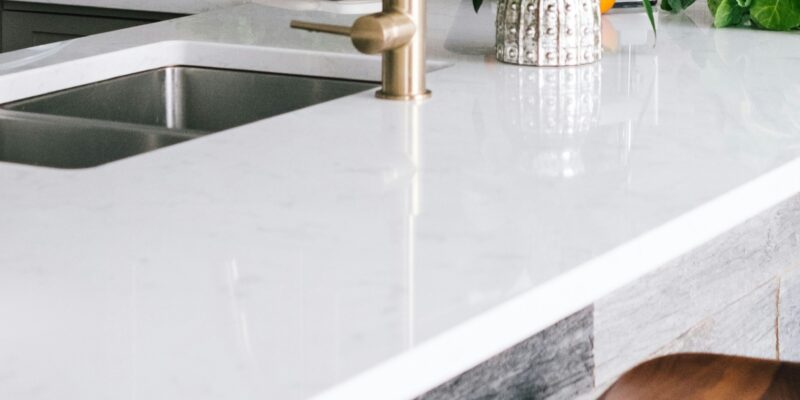
The standard kitchen bench height in Australia is 900 mm (90 cm), designed to offer optimal ergonomics and comfort for most users. This measurement includes the floor cabinet carcass excluding the thickness of the benchtop, which is generally 33mm thick whereas laminate materials are typically 33mm thick whereas materials like granite and engineered stones tend to be 20mm or 40mm thick.
When installing a new kitchen or renovating and older kitchen, it’s an important consideration.

Importance of Kitchen Bench Height
Ergonomics and Comfort: The correct bench height ensures that kitchen tasks are performed comfortably, reducing strain on the back and wrists. It also improves productivity by enabling a more natural posture. Proper bench height can prevent long-term injuries and contribute to overall kitchen efficiency.
User Comfort: For tasks like chopping vegetables or kneading dough, a well-measured bench height can make all the difference in ease and efficiency. It is important for both home cooks and professional chefs to work in a space that accommodates their physical needs.
Australian Standards for Kitchen Bench and Splashback Height
Standard Measurement: In Australia, the standard kitchen bench height is set at 900 mm, which accounts for the floor cabinet height plus the benchtop thickness. The standard floor cabinet height is typically 720mm, excluding the kickboard, and the benchtop height can vary between 850mm and 1050mm to accommodate different user preferences. This standard is designed to meet the needs of the average user, ensuring a balance between functionality and comfort.
Building Codes: These standards are in place to ensure uniformity and ease of use across various kitchen designs. Compliance with these codes ensures that kitchens are safe and functional, minimizing the risk of injury and maximizing efficiency.
Materials and Thickness: The choice of materials, such as engineered stone, can affect the final height of the bench. Benchtop thickness varies, and it’s important to consider this when planning your kitchen layout.
Measuring the Ideal Benchtop Height
Measuring Tape: Use a measuring tape to determine the height from the floor to the top of the benchtop. Ensure that the measurement is taken accurately to avoid any discrepancies during installation.
Personal Adjustments: Depending on the user’s height, the bench height can be adjusted slightly, but maintaining the standard ensures compatibility with appliances like bench ovens and gas cooktops. A common adjustment might involve raising the bench slightly for taller users or lowering it for shorter individuals. The standard cabinet height is 720mm, which is a baseline for both floor and wall cabinets, with minor variations allowed.
Kickboard Depth: The kickboard depth can also impact the overall comfort and usability of the kitchen. Ensuring the right depth allows for better posture while standing at the bench. When measuring, consider the carcass excluding the door to provide precise guidelines for cabinetry design.
Factors Influencing Bench Height
User Height: Taller individuals may require a slightly higher bench height to avoid stooping, while shorter users might need a lower bench. Customizing the height based on user preferences can enhance the kitchen’s functionality. Additionally, it is crucial to consider the minimum height requirements for rangehoods and splashbacks, which generally range between 650mm and 750mm for rangehoods and must meet the minimum industry fire safety standards of 600mm for electric cooktops and 700mm for gas cooktops.
Kitchen Tasks: The type of tasks performed, such as using a bench oven or preparing meals, can influence the ideal height. Additionally, incorporating breakfast bars or an island bench may require varying heights for different sections. Specific tasks, such as baking, might benefit from a lower bench for ease of rolling dough.
Appliance Integration: The installation of appliances such as gas cooktops and bench ovens must be considered when determining the bench height. Proper integration ensures that all elements of the kitchen work seamlessly together.
Built-Up Edge: Some designs feature a built-up edge for aesthetic or practical reasons, which can add to the overall height. It’s important to factor this in during the planning phase.
Customising Bench Height for Specific Needs
Lifestyle and Habits: Customizing the bench height to fit specific cooking habits can improve kitchen workflow. For example, a home baker might prefer a lower bench for easier dough preparation. When planning, consider the overall dimensions inclusive of door thickness and the standard tall cabinet height, such as 2073mm or 2100mm, to ensure proper alignment and functionality.
Additional Space: Including features like an island bench or breakfast bars can provide additional workspace at varying heights. These can be tailored to serve multiple functions within the kitchen, such as seating areas or extended prep spaces.
Breakfast Bars: These are often at a different height than the main kitchen bench, providing a space for casual dining or additional preparation area. Ensuring that these are at a comfortable height for sitting is essential for functionality.
Benchtop Thickness: The thickness of the benchtop also affects the final height. Opting for a thicker material can add to the overall height, which might need adjustment in the cabinet heights to maintain ergonomic standards.
Comparing Standard Bench Heights Internationally
Height Differences: Comparing Australian standards with those in other countries, such as the US (which typically uses 36 inches), highlights the importance of local standards. This comparison can be useful for expatriates or those designing kitchens with international influences.
Kitchen Design Trends: Understanding these differences can help in designing kitchens that cater to international preferences, especially for expatriates. Knowing the trends and standards in different regions can also inspire innovative design solutions.
Same Height: While some countries prefer uniform heights throughout the kitchen, others might vary the heights for specific tasks. Understanding these preferences can guide the design process to suit user needs.
Future Trends in Kitchen and Island Bench Design
Adjustable Benches: Future trends include adjustable benchtops that cater to different tasks and user heights. These can be manually adjusted or feature motorized systems for ease of use.
Smart Kitchens: Integration of smart technologies that allow for height adjustments at the touch of a button. This innovation caters to multi-user households where members have different height requirements.
Sustainability: Using sustainable materials and designs that promote longevity and reduce environmental impact. Innovations in materials like engineered stone offer both aesthetic appeal and durability.
Case Studies of Australian Kitchens
Custom Kitchens: Examples of Australian kitchens that have implemented varying bench heights to accommodate multiple users, showcasing the flexibility and practicality of custom solutions. These case studies highlight the importance of personalized design in enhancing kitchen functionality.
Engineered Stone: Use of durable materials like engineered stone for benchtops, ensuring longevity and style. These materials not only add to the aesthetic appeal but also offer practical benefits such as ease of maintenance and durability.
Square Metre Efficiency: Maximizing the use of available space by designing multifunctional areas. Efficient use of each square metre ensures that the kitchen remains functional without feeling cramped.
Expert Tips on Choosing the Right Bench Height
Consultation: Seeking advice from kitchen designers can help in selecting the right height, ensuring both functionality and comfort. Professionals can offer insights into the latest trends and best practices in kitchen design.
Standard Width: Alongside height, considering the standard width of cabinets and kickboard depth ensures a cohesive design. Proper width and depth measurements contribute to the overall usability and aesthetics of the kitchen.
Door Thickness: The thickness of cabinet doors can affect the final look and feel of the kitchen. Ensuring that door thickness is compatible with the overall design is crucial for a seamless appearance.
Gas Cooktop Integration: Proper integration of appliances like gas cooktops ensures safety and functionality. The height of these appliances should align with the bench height for ease of use.
By adhering to the standard bench height of 900 mm, Australian kitchens can achieve a balance of comfort, efficiency, and aesthetic appeal. For personalized designs, adjustments can be made to cater to specific needs and preferences, ensuring an optimal kitchen experience. The inclusion of modern innovations and consideration of individual requirements can further enhance the usability and enjoyment of the kitchen space.
Popular Questions
Below are common questions we get asked.
What is the standard kitchen bench height in Australia?
The standard kitchen bench height in Australia is 900 mm (90 cm). This measurement includes the floor cabinet carcass excluding the benchtop thickness, which typically ranges from 20 mm to 40 mm. This height is designed to provide optimal ergonomics and comfort for most users, ensuring ease of use and reducing the risk of strain or injury during kitchen tasks.
How do I measure my kitchen bench height correctly?
To measure your kitchen bench height accurately, follow these steps:
- Use a measuring tape to measure from the floor to the top of the benchtop.
- Ensure the measurement includes the height of the floor cabinet carcass plus the benchtop thickness.
- For personalized adjustments, consider the height of the primary users and any specific tasks that might require different heights, such as baking or using a bench oven.
Can I customise my kitchen bench height?
Yes, you can customize your kitchen bench height to suit your specific needs and preferences. While the standard height is 900 mm, adjustments can be made to accommodate taller or shorter users. Customizing the bench height can enhance comfort and efficiency, particularly if you frequently perform specific tasks like baking or cooking with a gas cooktop. Consider factors such as benchtop thickness, kickboard depth, and the integration of appliances when customizing your kitchen bench height.
What materials affect the kitchen bench height, and how?
The material chosen for your benchtop can significantly affect the final height of your kitchen bench. Common materials include engineered stone, granite, and laminate, each with varying benchtop thickness:
- Engineered Stone: Typically ranges from 20 mm to 40 mm in thickness, adding durability and aesthetic appeal to your kitchen.
- Laminate: Usually thinner, around 20 mm, which might require adjustments to the floor cabinet height to maintain the standard bench height.
- Granite and Other Stones: These materials can vary in thickness and weight, necessitating sturdy support from the floor cabinet carcass.
Considering these factors ensures that the overall bench height remains comfortable and functional, adhering to both personal needs and standard guidelines.