Can You Just Grout Over Old Grout? A Hard Look At A Common Shortcut

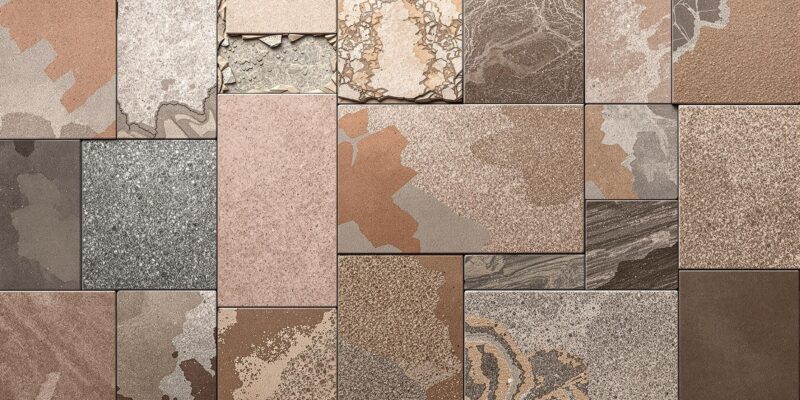
You should not grout over old grout. New grout will not adhere properly to the old, non-porous surface. This thin new layer will quickly crack, crumble, and fail. For a durable and long-lasting repair, you must first remove at least two-thirds of the old grout’s depth before applying new material.

Let’s get this out of the way immediately: No. You absolutely should not grout over old grout.

It’s tempting, I get it. You see discolored, cracked lines, and the idea of just slathering a fresh, clean layer on top sounds like a perfect weekend fix. But in practice, it’s a guaranteed failure. The new, thin layer will crack and flake off, sometimes in a matter of weeks, leaving you with a bigger mess than you started with. For a repair that actually lasts, you have to dig in and remove at least two-thirds of the old grout’s depth. There are no two ways about it.

You can read below for our guide, but for a pro job, make sure give us, Mayfair Building Group a call.
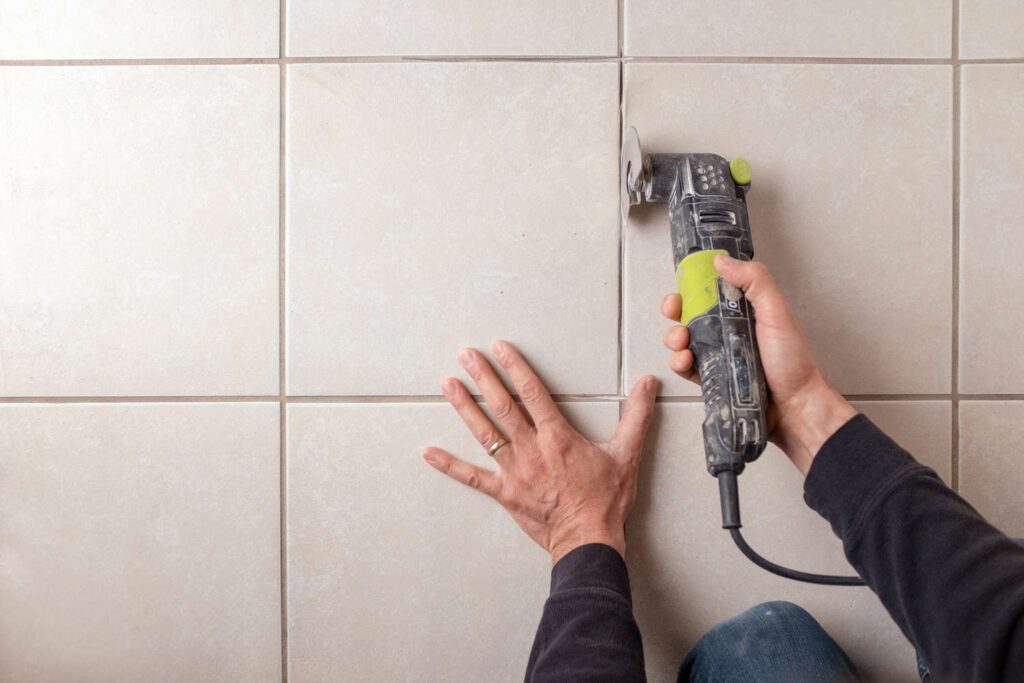
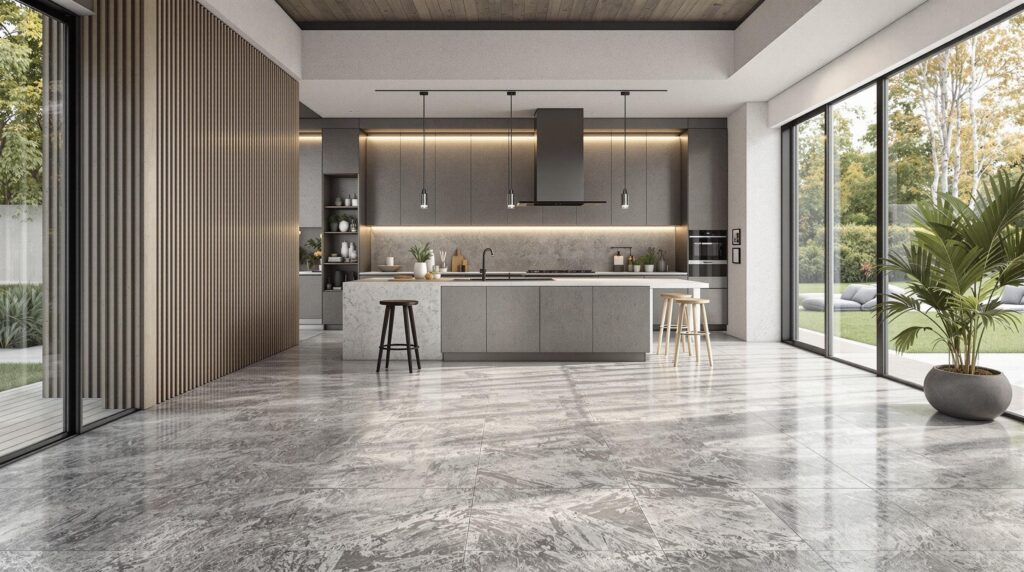
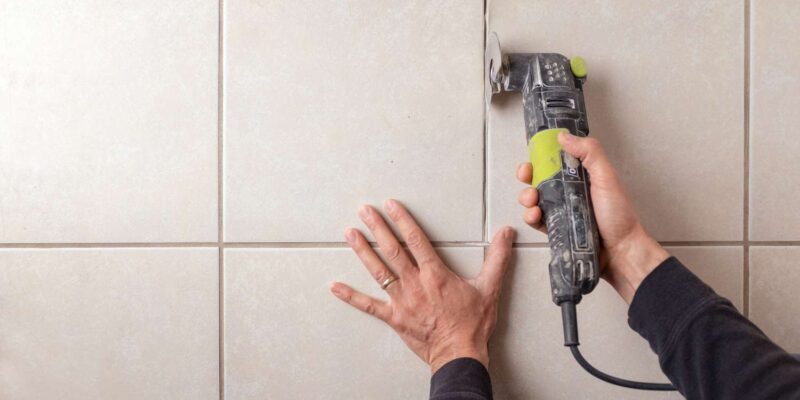
removing old grout

The Core Problem: Why Skim-Coating Grout is Doomed

Applying new grout over old isn’t just a bad idea; it’s fundamentally flawed from a materials science standpoint. This isn’t a matter of technique or luck; it’s physics, and the physics are working against you.

The key thing to understand is adhesion. Fresh, wet grout needs something porous to bite into. When you do a proper grout job, the material doesn’t just sit between the tiles; it mechanically interlocks with the rough, unglazed edges of the tiles and the substrate below. Cured grout, on the other hand, is a dense, non-porous, sealed surface. Trying to stick new grout to it is like trying to glue two pieces of glass together with school glue. There’s no physical grip.

This creates a weak, superficial bond that will pop loose with the slightest provocation—the normal expansion and contraction from temperature changes, tiny shifts in the subfloor, or just the impact from regular foot traffic.

And then there’s the structural issue. Grout is engineered to have a certain mass and depth to achieve its compressive strength. The entire process of curing relies on a chemical reaction called hydration, where the cement particles bond with water. When you apply grout as a paper-thin “skim coat,” it dries out way too fast. Proper hydration never occurs. Instead of a hard, durable material, you get a brittle, chalky layer that chips and flakes away with embarrassing speed. It’s a recipe for failure.

Thinking Through Your Options: A Reality Check on Grout Refreshment

Before you grab a tool, you need to decide what you’re actually trying to accomplish. Are you fixing damage or just changing the look? The right approach depends entirely on the state of your existing grout.

  • The Shortcut (Grouting Over): We’ve covered this. You apply a thin layer on top of the old stuff. Adhesion is terrible, durability is non-existent, and it almost always looks lumpy and amateurish. The old, discolored grout can even bleed through, making the color splotchy. Don’t do it.
  • The Professional Method (Complete Removal): This is the only way to go for a lasting repair or a true color change. You grind out at least 2/3 of the old grout’s depth. This is crucial—it exposes the porous tile edges, giving the new grout the anchor it needs to form a powerful mechanical bond. The result is a clean, durable, water-resistant joint that sits at the correct depth and looks professional. It’s labor-intensive, but it’s the right way.
  • The Cosmetic Fix (Grout Colorant/Stain): What if your grout is in good shape—no cracks, no crumbling—but you just hate the color? This is where a colorant comes in. It’s essentially a specialized epoxy paint for grout. You meticulously clean the existing lines and then paint over them. It’s not a structural fix… it does nothing for damaged grout. But for a purely aesthetic change, it’s a fantastic, low-mess alternative to a full re-grout. Its durability can vary, maybe lasting a few years in a high-traffic area, but it’s a solid option.
  • Spot Repairing: You can just dig out a few damaged sections. The trick here is color matching. Grout color changes slightly as it ages and is exposed to cleaning products, so getting a perfect match between a new patch and the old surrounding grout is notoriously difficult. It often looks… well, patched.

The Real Process: A Technical Guide to Replacing Grout

So you’ve decided to do it the right way. Excellent. This is a job where preparation and the right tools make all the difference between a professional result and a pile of chipped tiles.

Step 1: Gearing Up (Tools & Prep)

Your choice of tool is a balance between speed and control.

Manual Tools (The Slow and Steady Approach) For smaller jobs or anyone nervous about damaging tile, manual is the way to go. You have maximum control, which is everything.

  • Grout Rake/Saw: Your main workhorse. Get one with carbide blades; they last much longer.
  • A triangular carbide scraper is a lifesaver for corners.
  • Utility knife for scoring tough lines. This method is a workout, there’s no denying it, but it produces far less hazardous dust.

Power Tools (The Fast, But Risky, Approach) For big floors, power tools are a necessity unless you have a week to kill. But they demand respect. One slip and you’ve chipped a tile.

  • Oscillating Multi-Tool: This is the go-to for most pros. The vibrating blade offers a great mix of speed and manageable control. Still, you have to be careful. Start on a low speed to get a feel for how it cuts.
  • Rotary Tool (like a Dremel) with a grout bit. Fast, but can be hard to control the depth.
  • Angle Grinder: Honestly, unless you’re a seasoned pro working with wide joints, just leave this one alone. It’s incredibly aggressive.

Safety & Workspace Prep (This is Not Optional) We need to talk about silica dust. When you grind out cementitious grout, you’re aerosolizing crystalline silica, which is seriously hazardous to your lungs.

  • A NIOSH-approved respirator (N95 at a minimum, P100 is better) is mandatory. A simple paper mask does nothing.
  • Safety glasses. Grout chips will fly.
  • Use painter’s tape to protect the edges of delicate tiles.
  • Plastic sheeting and a shop vac with a HEPA filter are your best friends for containing the mess. Keep that vacuum running right next to your tool as you work.

Step 2: The Removal

The goal here is simple: remove at least two-thirds of the grout depth, consistently.

Why two-thirds? That’s the magic number, according to industry bodies like the TCNA, that ensures the new grout has enough mass to cure correctly and enough surface area on the tile edges to bond to. Anything shallower, and you’re back in the “brittle, cracking layer” territory we talked about.

After you’ve removed the grout, the cleanup is critical. Any leftover dust or debris in the joints will act as a “bond breaker,” preventing the new grout from adhering properly. Vacuum every single line thoroughly with a crevice tool. Then, wipe them down with a slightly damp sponge (not wet!) to pick up the last of the fine dust. Let everything dry completely before you even think about mixing your new grout.

Changing Grout Color: The Strategic Decision

If your goal is purely aesthetic, you have two very different paths.

Method 1: Grout Colorants & Stains

This is the path of least resistance. A colorant is a topical, epoxy-based coating that you paint directly onto your existing, structurally sound grout. The key here is “structurally sound.” If your grout is crumbling, this won’t fix it. But if it’s just stained or an ugly color, a colorant is a game-changer. It not only changes the color but also seals the grout line, making it stain and water-resistant. The application is tedious, you’re basically doing a tiny paint job with a small brush, but it’s worlds easier and cleaner than a full removal.

Method 2: Total Grout Replacement

This is the only choice if your existing grout is damaged or if you want the most permanent, durable color change possible. By following the full removal and re-grouting process, you’re essentially getting a brand-new grout job. This also opens up the possibility of upgrading your grout material itself, say, from a standard cementitious grout to a high-performance epoxy. It’s the most work, but the results are impeccable and will last for decades.

How to Think About Grout Color

Choosing a grout color isn’t just about what looks good on a sample stick. It has a huge impact on the final look and the long-term maintenance of your tile.

Contrast is Everything

  • High-Contrast (e.g., black grout on white subway tile): This makes the individual tile shape the star of the show. It creates a bold, graphic pattern. It’s a strong design choice that defines the grid.
  • Low-Contrast (e.g., tan grout on beige tile): This is the opposite approach. It blends the grout lines away, creating a more seamless, monolithic surface. The focus shifts from the pattern to the overall texture of the tile field. This can make a small space feel larger.

The Practicality of Color A lot of people default to white grout for that “clean” look. In reality, unless it’s a rarely used wall, pure white grout is a maintenance nightmare. A light or medium gray is often a much better choice. It gives you a similar clean, neutral look but is far more forgiving of everyday dirt.

  • White/Light Grout: Looks crisp, but shows every single speck of dirt, mold, and mildew. Requires diligent sealing and frequent cleaning.
  • Dark Grout: Hides dirt beautifully. The trade-off is that it can show efflorescence (a white, powdery mineral deposit) more clearly and can sometimes be faded by harsh cleaners.
  • Mid-Tones (Grays, Tans): The sweet spot. These colors are brilliant at camouflaging dirt and are generally the lowest-maintenance option.

Choosing the Right Grout Product

The grout itself matters. The two main families are cementitious and epoxy.

Cementitious Grout: The classic choice. It’s a Portland cement-based powder you mix with water.

  • Sanded: For joints 1/8″ or wider. The sand is a critical aggregate for strength and to prevent shrinkage cracks.
  • Unsanded: For narrow joints (less than 1/8″). It’s a smoother mix that can pack into tight spaces. You also must use unsanded with materials that scratch easily, like polished marble or glass. Most modern cement grouts are polymer-modified, which improves their flexibility and water resistance, but they are fundamentally porous and must be sealed after curing.

Epoxy Grout: This is the high-performance option. It’s a two-part system with a resin and a hardener. Once mixed, a chemical reaction starts, and you have a limited time to work with it.

  • The big advantage: Epoxy grout is non-porous. It doesn’t need sealing. It’s incredibly stain- and chemical-resistant, making it the undisputed champion for kitchen countertops, high-traffic entryways, or shower floors.
  • The downsides: It’s more expensive and significantly trickier to install. The cleanup process is less forgiving than with cement grout. If you leave a haze on the tile, it’s a nightmare to remove once it cures.

Your choice should depend on location. For a shower floor, the extra cost and effort of epoxy are almost always worth it. For a decorative backsplash, a quality polymer-modified cement grout is perfectly adequate.

The Final Stretch: Applying the New Grout

You’ve done the hard work of removal. Now, for the payoff.

Mixing and Application

  • Follow the manufacturer’s directions to the letter. Add the powder to the specified amount of cool water (not the other way around) and mix to a smooth, peanut butter consistency.
  • Let it “slake” or rest for 5-10 minutes. This is a critical step that allows the chemicals to fully activate.
  • Remix briefly, without adding more water, and you’re ready.
  • Use a grout float held at a 45-degree angle, and spread it diagonally across the joints. This diagonal motion forces the grout down into the joint. Work in small, manageable sections.

Cleaning and Curing This is where finesse comes in.

  • After about 15-30 minutes, the grout will set up slightly. Use a barely damp (well wrung-out!) grout sponge to gently wipe the excess off the tile surface, again, moving diagonally.
  • Rinse your sponge constantly in a bucket of clean water. Be careful not to be too aggressive and pull grout out of the joints.
  • After a couple of hours, a slight haze will form on the tiles. Buff it off with a dry microfiber cloth.
  • Let the grout cure completely, which can take up to 72 hours. Keep it dry during this time.
  • If you used cementitious grout, your final step, after the full cure, is to apply a good quality penetrating sealer. This is what will protect it from stains and moisture down the road.

Common Questions, Straight Answers

We get asked these questions all the time.

Will just adding a new layer of grout make my tiles look better?

No, it will make them look worse. The job will look bulky and uneven, and when that thin layer inevitably cracks and flakes off, it will look far worse than the old grout you were trying to hide.

Is there any way to change my grout color without all that removal work?

Yes. If the current grout is structurally sound (not crumbling), a grout colorant is the way to go. It’s a topical product that works like paint, effectively changing the color and sealing the surface in one go.

Why is removing the old grout so important for the job to last?

It all comes down to creating a proper bonding surface. The new grout needs to grip the porous edges of the tile itself. A thin layer on top of old, sealed grout has nothing to hold onto, so it’s guaranteed to fail. You have to create a deep enough channel for the new material to form a strong, lasting mechanical lock.


base building

Base Building Works – A Key Element For Function

When we look at a building and address Base Building works, various items can be assessed.  Base building infrastructure is often referred to as a key element that allows the building to function normally.

Items that may qualify for the ARCHI Incentive Schemes grants for base building works could be some of the following (subject to investigations and approvals):

Sewer pipe work upgrades

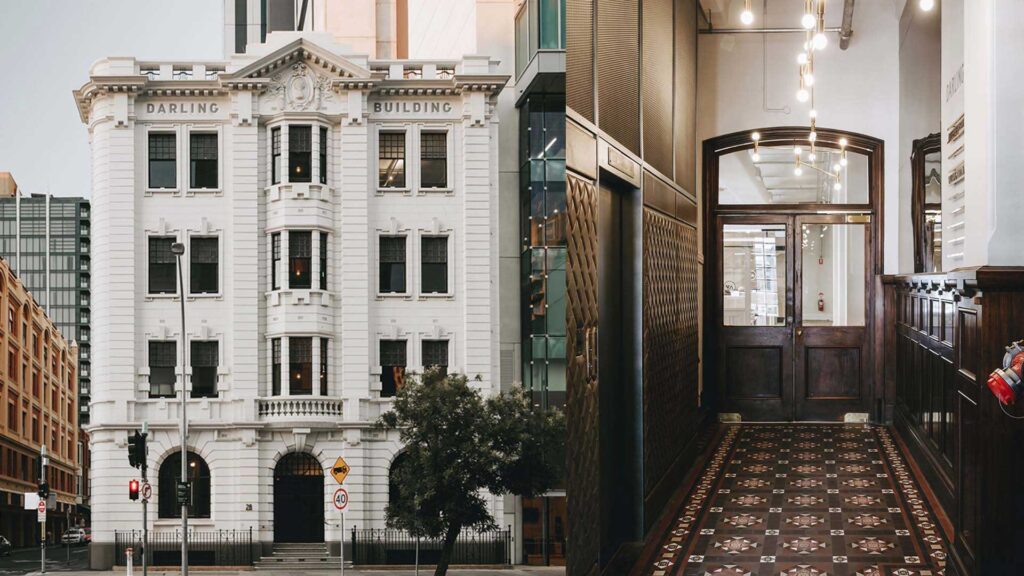
Many of the older buildings in Adelaide and North Adelaide were built with cast iron drains, and some with copper and brass.  Over time (some more than 100 years old), these pipes have deteriorated and need replacement. 

The sewer pipes play a key role in the functioning of a building’s daily operations, and without them working efficiently, the building cannot operate.

Pumps

Many of the buildings in the city will have some form of pump to help the transportation of fluids around and out of the building.  The type of pump could be a circulation pump for hot water, a sewer macerating pump to remove waste from below street level or a jacking pump to move potable water to the upper levels of a multi-storey building. 

Without these pumps working, the base building cannot operate to the current codes and standards.

Electrical

With an ever-changing landscape of what is better, gas or electricity, the need to have compliant and cabling that can handle demands placed upon it from hot water systems, induction cook tops, and inverter split systems. 

Protecting consumers from electrical shock and appliances from surging, the need for up-to-date electrical infrastructure is another key factor in operating a building that could be adapted to the ARCHI Incentive Schemes for re-use into residential premises.

Heating and Cooling

Although many of the buildings that were built many years ago in North Adelaide and the city itself had very thick walls and kept a fairly consistent temperature year round the need to be able to heat and cool individual tenancies with the re-use scheme is important.  Each building is different; some will have a central plant room, and others will have individual heaters and air conditioners for each apartment.  Once again, regardless of the setup up these parts of the base building are required to be operating at an adequate standard for human occupancy.

Potable water services 

Commonly used in these older buildings were copper, steel and brass to transport the water throughout the property’s various levels and rooms.  Copper does not have an infinite operating life and will, over time, develop leaks and break down. 

It is with this today we see the introduction of new systems in the plumbing market, such as Trade Pex and Rehau, when upgrading the copper and brass water lines.  With a focus on costs today, these newer products are specified favourably as the ability to retrofit them into existing buildings is easier, as the product is flexible and far cheaper to supply and install.  But like all parts, we have discussed equally as important for a building to operate seamlessly.

Adelaide city council

Do You Qualify For The New ARCHI Incentive Schemes

If you are a landlord who owns a property in the Adelaide City Council and your building is empty, partially tenanted, a state heritage place or a local heritage place, this might be the time to convert that space into a residential space through adaptive reuse.

The ARCHI incentive scheme is a dedicated grant program supporting the delivery of residential adaptive reuse throughout Adelaide City of South Australia.

What Spaces Are Now Eligible For The ARCHI Scheme?

The project by the Adelaide City Council has now been expanded to capture a broader range of properties, and below is what can qualify:

  • Shop tops:  Buildings which are up to 4 storeys in height
  • Commercial to Residential: Buildings 5 storeys and above
  • Heritage:  Adaptive reuse of heritage buildings to residential use
  • Major projects:  Delivering 20-plus dwellings subject to council approvals

Funding and Support

Part One: Feasibility Assessment, Professional Advice And Documentation

Successful applicants will receive a reimbursement covering a portion of the costs for professional advice to assess a building’s suitability for adaptive reuse and to prepare the necessary documentation for the Development Approval process in residential adaptive reuse projects.

Funding Categories

CATEGORYFUNDING
Shop-tops: Buildings up to four storeys in heightReceive up to 50% of the total cost of consultant fees (up to $10,000)
Commercial to residential: Buildings five storeys and aboveReceive up to 50% of the total cost of consultant fees (up to $25,000)
Major projects delivering 20+ dwellingsTo be reviewed on a case-by-case basis with funding subject to Council decision

Support

Professional advice may include:

  • Assessment and analysis of the building’s condition, layout, materials, and architectural features.
  • Specialist advice including planning, fire safety, structure, services, accessibility, energy performance, acoustics and cost – or other specific elements of the project.
  • Concept and design development including architectural plans, drawings and specifications that document proposed works.

*Funding is reimbursed on completion of the works and receipt of a Development Approval.

Part Two: Residential Adaptive Reuse Works

Successful applicants will be reimbursed a percentage of costs for building works to deliver residential adaptive reuse projects.

Funding categories

CATEGORYSUPPORTFUNDING
Shop-tops: Buildings up to four storeys in heightPart 2A – Residential adaptive reuse construction works – Projects delivering one to three dwellingsReceive up to 50% of the total costs (up to $25,000)
 Part 2B – Residential adaptive reuse construction works – Projects delivering four or more dwellingsReceive up to 50% of the total costs (up to $50,000)
Commercial to residential: Buildings five storeys and abovePart 2A – Residential adaptive reuse construction works – Projects delivering one to three dwellingsReceive up to 50% of the total costs (up to $25,000)
 Part 2B – Residential adaptive reuse construction works – Projects delivering four or more dwellingsReceive up to 50% of the total costs (up to $50,000)
Major projects delivering 20+ dwellingsTo be reviewed on a case-by-case basis with funding subject to Council decisionFunding recommendations exceeding $50,000 will be presented to Council for decision.

Support building works may include:

  • Fire safety upgrades: wet, electrical and dry improvements
  • Access upgrades: ambulant entries, parking and safe exits
  • Structural upgrades: roofing, load-bearing walls, stairs, lifts and floors
  • Base building repairs:  sewer and electrical improvements to local codes
  • Building additions associated with the residential conversion (comprising less than 20% of the original building floorplate)
  • Decks and/or balconies creating private open space
  • Retrofitting works to improve building performance:  energy efficiency
  • Building services upgrades:  heating and cooling
  • Window openings and upgrades
  • Internal partition walls
  • Wet area upgrades to comply with current local codes and standards
  • Interior finishing: acoustic, visual, and energy

If you would like to discuss your next project with the Adelaide City Council using funding from the ARCHI incentive scheme, please contact Mayfair Building Group today on 0429361819 or email Aaron at  info@mayfairbuildinggroup.com.au

*Funding is reimbursed upon satisfactory inspection by City of Adelaide staff confirming the project has been completed in accordance with approved documentation and funding agreement, and receipt of the Certificate of Occupancy.

a shop fit out

Langley Real Estate – Shop Fit Out

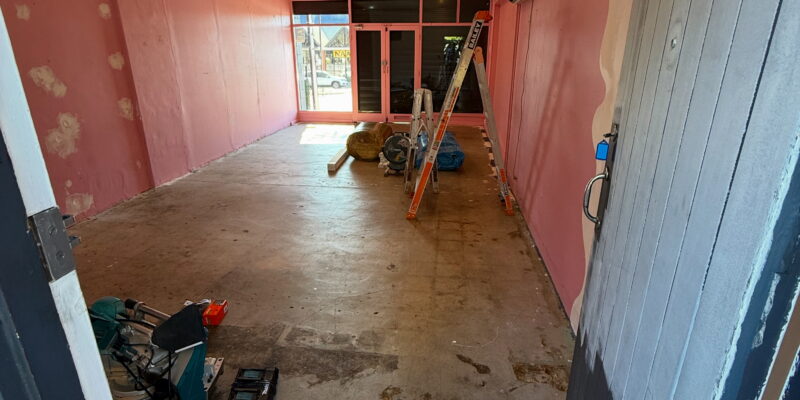
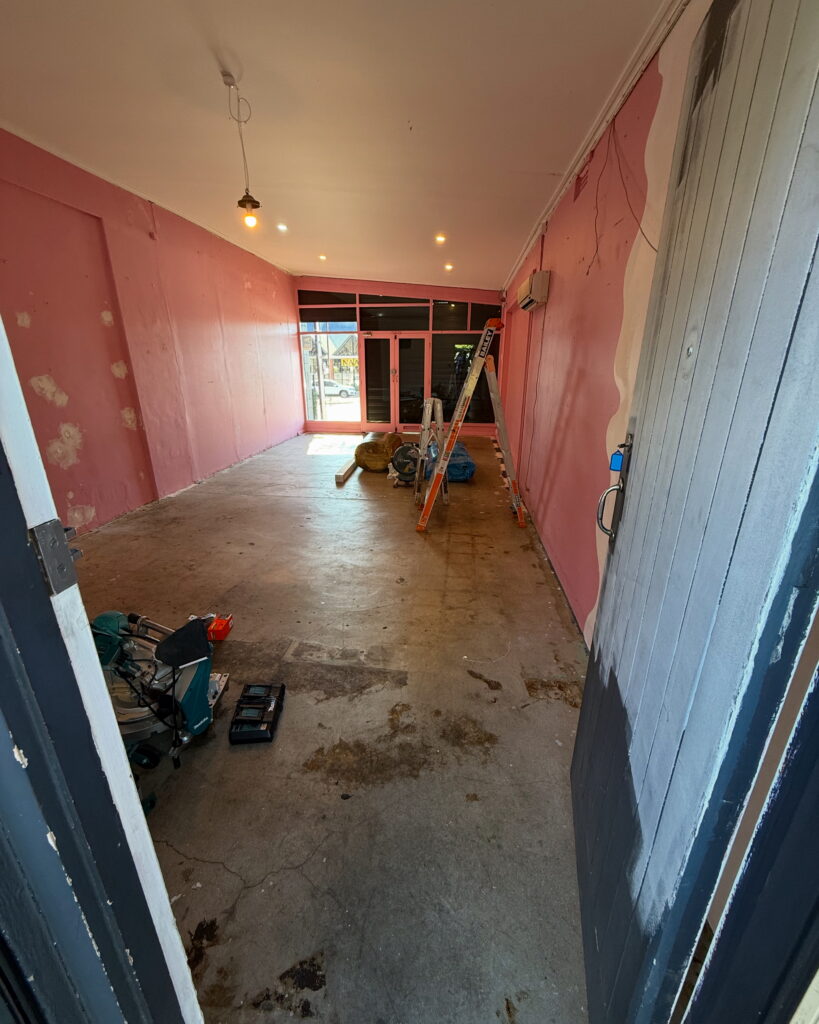
We have recently been engaged by Langley Real Estate as the builder to fit out their brand new offices in the heart of Adelaide’s eastern suburbs in the city of Burnside, in the suburb of Hazelwood Park.

Langley Real Estate engaged us to create a boutique real estate office for them in the heart of the Eastern suburbs.  We took over the space as an empty shell and were given the brief to create a warm and inviting space for clients to feel welcome.

First Tasks

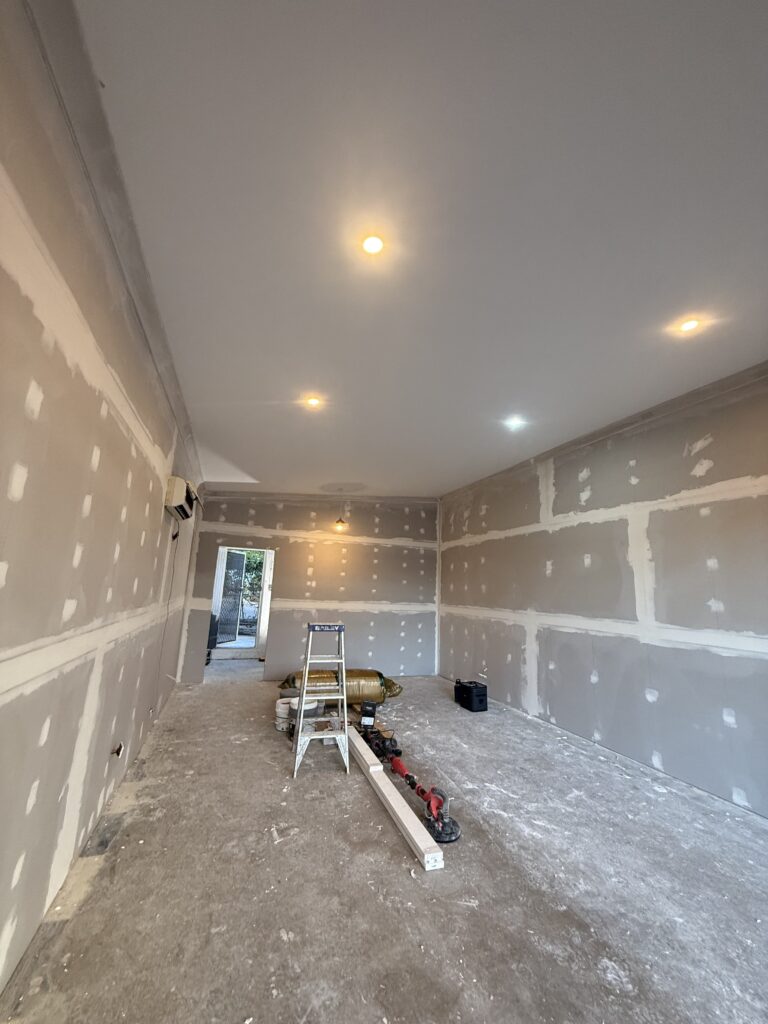
The first task was to build a wall with a doorway to separate the office from the staff room.  This was built out of 90 x 45 and 90 x 35 timber.  The wall was insulated using Bradford sound batts to keep the office quiet and peaceful for the staff.  After this was done, the walls were lined using 10mm Gyprock delivered from CSR at Mile End.  The two existing walls facing east and west were also lined with 10mm Gyprock and soundproofing as well to prevent external traffic noise from entering the building.

Painting & Fixtures

The entire tenancy was then painted in Dulux Natural White on the walls and Dulux ceiling white on the ceilings.  All the painting works were completed before luxury high-end timber floorboards from Solomon’s floor at Kensington were installed.  The rear of the offices has been fitted out with a new high-end custom kitchenette with stone bench tops complete with a rose gold ZIP G5 boiling, chilled and sparkling tap, Gaggenau appliances and Miele appliances.  The front of the office has received a brand-new Mitsubishi Heavy Industry split system’s to ensure year-round comfort and climate control.

With brand new sign writing installed and new lighting internally, this new fit-out is nearly complete.  With the delivery of furniture coming soon, we will be ready to hand this new fit-out over to Langley Real Estate and their staff members.

Are you planning a shop fit-out?  Contact Mayfair Building Group today and let’s start discussing your next project.

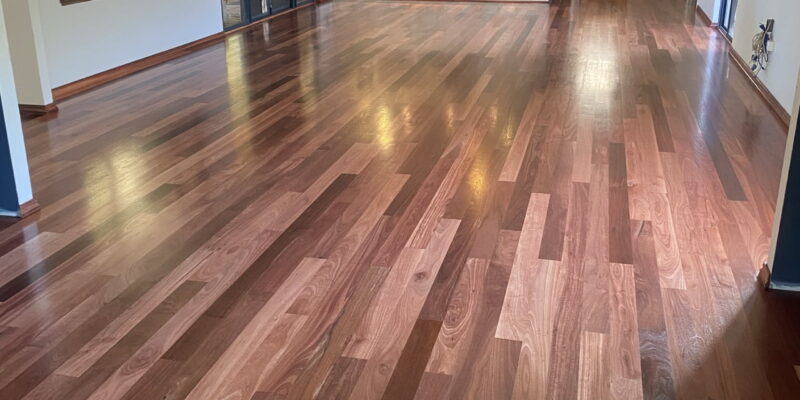
spotted gum hybrid floor in a home

Spotted Gum Hybrid Flooring: A Practical Guide for Residential and Commercial Spaces

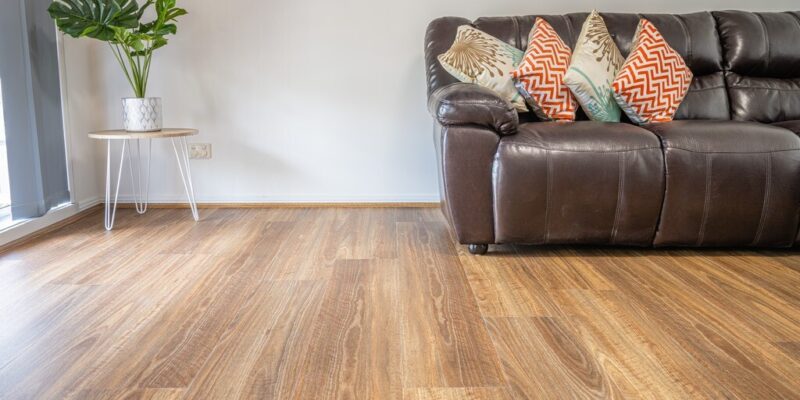
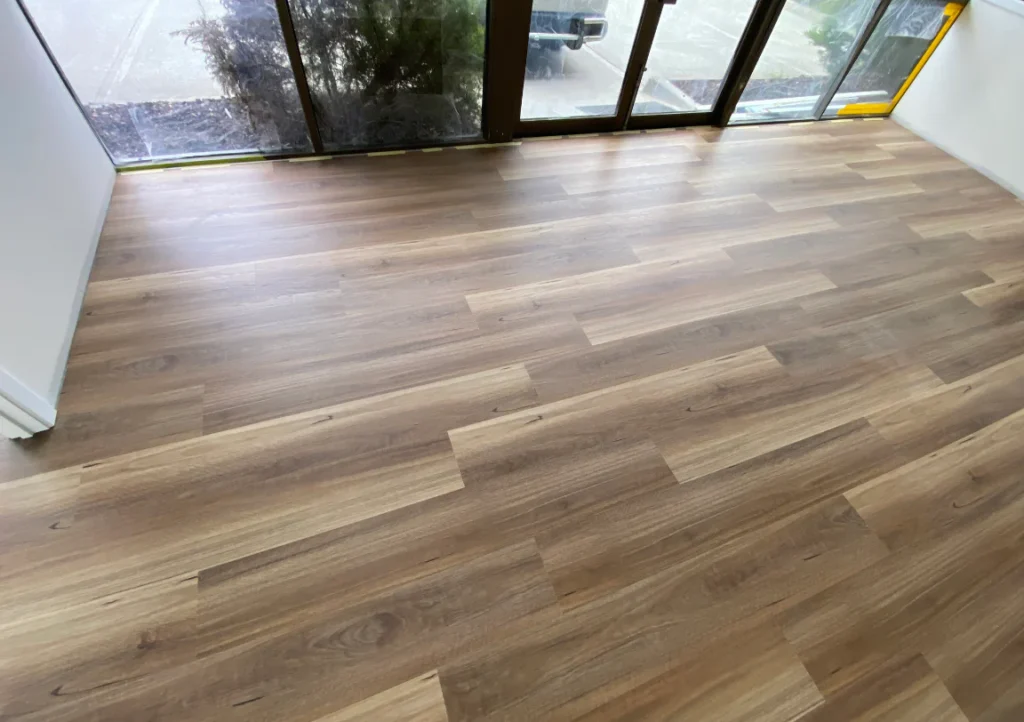
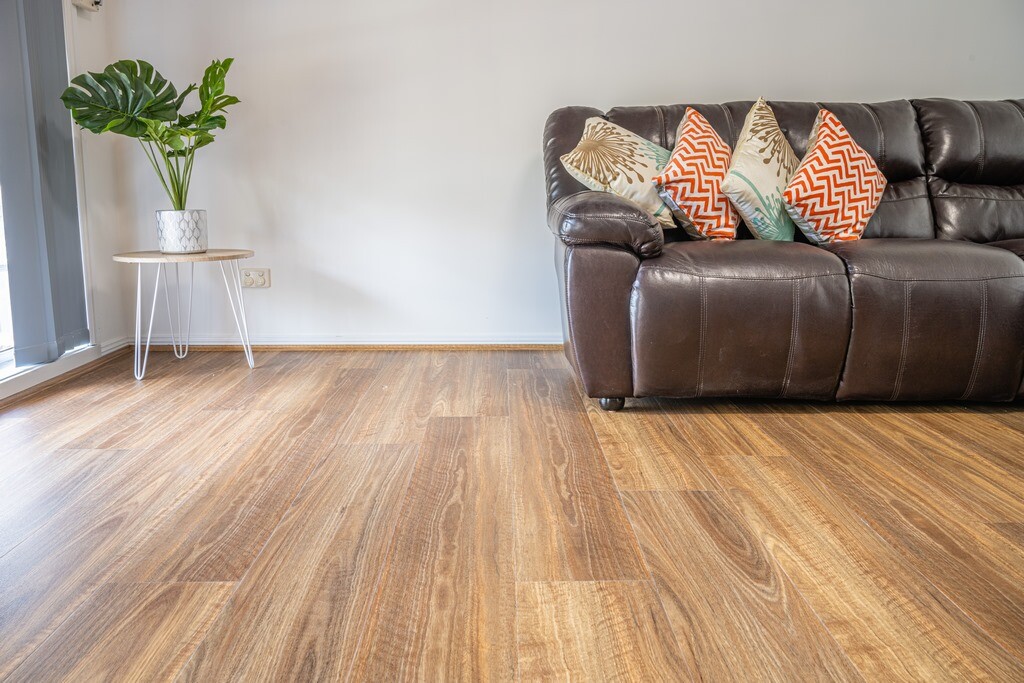
Spotted gum hybrid flooring combines a durable composite core with a real or printed spotted gum surface layer. It offers the appearance of natural timber with enhanced water resistance, making it ideal for kitchens and high traffic areas. Most hybrid floors use a rigid core like SPC (stone polymer composite) for stability and easy installation.

What Is Spotted Gum Hybrid Flooring?

Spotted gum hybrid flooring is a rigid plank flooring that replicates the look of real hardwood while offering better water resistance and durability.

It uses a stone polymer composite (SPC) or wood polymer composite (WPC) core for strength and moisture protection. A printed or real wood veneer layer mimics the natural spotted gum grain and color variation. These planks click together using a locking system, allowing for quick floating floor installation.

Spotted gum hybrid flooring is ideal for residential and commercial spaces that require durability, style, and water resistance, such as kitchens, hallways, and retail stores. Its ease of installation and low maintenance make it a popular choice in SA, NSW, VIC, and QLD.

Why Choose Spotted Gum? Unique Timber Benefits

Spotted gum is one of Australia’s most durable native hardwoods, known for its strength, rich tones, and natural resistance to wear and termites.

Its Janka hardness rating (11.0 kN–14.0 kN) places it among the toughest timbers used in flooring. The varied grain patterns, knots, and natural gum veins give each board a unique appearance. This makes it ideal for homeowners seeking authentic hardwood aesthetics with modern performance.

Key Benefits:

  • Durability: High resistance to impact, scratches, and daily wear
  • Natural resistance: Resists termites and decay without needing harsh chemical treatments
  • Appearance: Features striking grain, rich color tones, and authentic gum patterns
  • Sustainability: Often sourced from managed forests in Australia
  • Versatility: Suitable for both residential and commercial flooring installations

Hybrid Flooring Construction: Layers That Matter

Hybrid flooring uses a multi-layer structure to enhance water resistance, wear protection, and comfort underfoot.

Each plank consists of:

  • UV-resistant wear layer to prevent surface fading
  • Decorative layer printed or veneered with spotted gum designs
  • Rigid SPC or WPC core that adds dimensional stability
  • Pre-attached acoustic underlay (usually IXPE foam) for sound absorption and comfort

This structure combines the visual appeal of hardwood with the durability of laminate and the water resistance of vinyl, making it ideal for high-traffic areas and wet zones.

Spotted Gum Hybrid Flooring Options

Brand/ModelPlank Size (mm)Thickness (mm)WarrantyKey FeaturesPrice (AUD)
Inspire Hybrid Flooring Spotted Gum181 x 12206.520 years residential, 10 years commercialEnvironmentally friendly, R11 slip resistance, high-definition textured surface$39.95
Complete Floors Supacore Hybrid180 x 15006.5 (5.5 + 1.5 IXPE)25 years residential, 10 years light commercialMicro bevel, limestone composite core, matte finishNot listed
Titan Hybrid Spotted Gum1500 x 180620 years residentialWater-resistant, integrated acoustic underlay, Uniclic joining systemNot listed
BestBuys Coastal Spotted Gum VinylNot listed3Not listedDurable vinyl planks$25.00

Aesthetic Appeal and Popular Design Styles

Spotted gum hybrid flooring offers a natural look with realistic wood grain, perfect for modern, rustic, or coastal home styles.

Its color range spans from pale creams to deep browns, with swirling grains and occasional gum veins. Planks are available in matte, textured, or embossed finishes to replicate real timber flooring.

Popular Styles:

  • Scandinavian interiors: Pair pale spotted gum tones with white walls
  • Rustic homes: Choose boards with deep knots and dark grain swirls
  • Modern renovations: Opt for wide planks and a low-gloss finish
  • Commercial spaces: Use high-slip-resistance ratings for safety

Designers and homeowners often install spotted gum flooring in open-plan living spaces to enhance the natural light and create visual warmth.

Installation: DIY or Professional?

Spotted gum hybrid flooring features a click-lock system, allowing most homeowners to install it without professional help.

Installation requires minimal tools: spacers, a tapping block, measuring tape, and a saw for trimming. Boards float above the subfloor without nails or glue, which speeds up the process and reduces cost.

Installation Process Overview:

  • Clean and level the subfloor
  • Roll out underlay (if not pre-attached)
  • Start from a corner and work row by row
  • Leave a 10mm expansion gap around all walls
  • Use a rubber mallet and tapping block for tight joints
  • Trim the final boards for a clean fit

Hybrid flooring works with most underfloor heating systems, but always check manufacturer specifications before starting the installation.

Where to Use It: Best Rooms for Hybrid Floors

Hybrid flooring is water-resistant and durable, making it suitable for nearly all indoor areas including kitchens, and high-traffic zones.

Unlike solid hardwood or some types of laminate, hybrid flooring handles moisture without swelling or warping. Its scratch-resistant wear layer makes it ideal for homes with pets or children.

Common Use Cases:

  • Hallways – High foot traffic areas
  • Living rooms and bedrooms: Offers natural timber warmth without upkeep
  • Retail shops and offices: Handles foot traffic and requires low maintenance

In SA, NSW, VIC, and QLD, hybrid flooring has become a standard choice in new builds and renovations due to its cost-efficiency and fast installation time.

Cost, Value, and Price Comparison

Spotted gum hybrid flooring is more affordable than solid timber, offering better durability and lower maintenance over time.

While solid spotted gum hardwood can cost $80–$120 AUD per m², hybrid options range from $25–$45 AUD per m² depending on thickness, wear layer, and brand. It also saves on installation and upkeep costs.

Price Breakdown:

  • Budget range: $25–$30 AUD/m² (thin vinyl or entry-level hybrid)
  • Mid-range hybrid: $35–$45 AUD/m² (6.5mm with acoustic backing)
  • Premium: $45+ AUD/m² (real veneer layer, commercial grade)

Hybrid flooring provides high ROI by reducing long-term costs tied to maintenance, sanding, or replacement. It also adds value to properties due to its modern look and water resistance.

Common Questions

Below are common questions about this topic..

How does Spotted Gum hybrid flooring compare to solid timber in terms of maintenance?

Hybrid flooring requires less maintenance than solid timber. It is scratch-resistant and does not need sanding or polishing. Regular sweeping and damp mopping are sufficient for upkeep.

Is Spotted Gum hybrid flooring environmentally friendly?

Yes, many hybrid flooring options use sustainable materials like limestone composite cores and are free from harmful substances such as formaldehyde. Check the product specifications for eco-certifications.

Can underfloor heating be used with Spotted Gum hybrid flooring?

Most hybrid floors are compatible with underfloor heating systems, but it’s essential to confirm with the manufacturer to ensure safe installation and warranty compliance.

Final Thoughts

Spotted gum hybrid flooring offers a practical, stylish, and cost-effective alternative to solid hardwood floors. It’s built for durability, water resistance, and visual appeal, making it ideal for homes, offices, and commercial spaces across Australia. With a wide range of sizes, finishes, and brands in stock, it suits every project — from small room updates to full-scale renovations.

For more details or to request a quote, visit your local flooring supplier, call customer service, or send an email with your project specs. Make sure to check stock availability, warranty terms, and qty per box when placing your order.

Safe excavation trenches

Delivering Safe And Compliant Work Sites

Working in the building industry can be very dangerous at times and it requires correct procedures and licensing to be in place to ensure every possible aspect has been addressed and adhered to ensuring minimal chance of an injury or damage to property.

Working Safely

At Mayfair Building Group, safety comes first on all our projects across Adelaide.  To work safely takes training, upskilling, time and effort, and it looks easier to just cut a corner, but when corners are cut, accidents pop up.  The last thing you want on a building site is to injure someone or cause major damage to a building/infrastructure by cutting corners.

An example of a major accident on a building project could be not lodging a Dial Before You Dig application 24 hours (subject to each utility response) before excavating a trench and hitting a high-pressure gas line of an NBN conduit full of Fibre Optic cabling.  Mistakes like this will not be covered by insurance if the correct procedures are not followed prior to the accident occurring.

Performing A Safe Renovation

When we start a new project such as a new home or addition to a property there are a few tasks that need to be implemented:

  • Notification to the local authority of the intention to start a new project
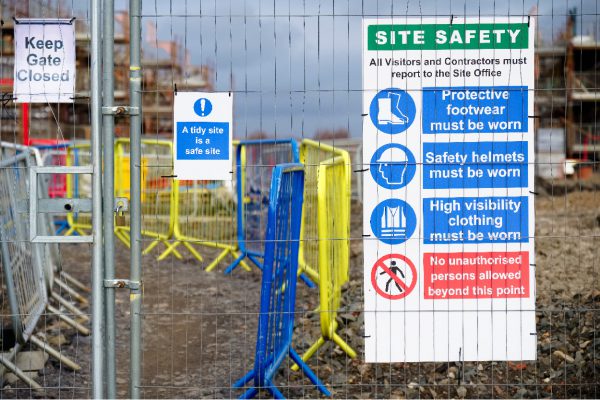
  • Temporary fencing and signage
  • Induction facility to check on white cards, licenses, JSA, SWMS and MSDS
  • Electrical testing and tagging register
  • Dial before you dig
  • Site toilet, rubbish bins, painters wash down station, lead stands, task lighting, stormwater erosion protection and water tap
  • No work on a Sunday unless prior permission has been granted from the EPA
  • Correct scaffolding and fall protection from heights
  • Notifying local authorities at each stage of completion of a project such as timber frame, roof trusses and lock-up
  • Consistently checking on the NCC and local government authority regulations to ensure compliance in all aspects of the project
  • Issuing eCOC for plumbing, gas and electrical tasks

What Tasks On A Renovation Require Special Attention

When we delve into the specifics of a renovation, there are a few tasks that require extra attention.  Below are a few of the tasks and what we do to provide safety for our workers during these tasks (these tasks all require JSA’s and SWMS before starting any part of the job):

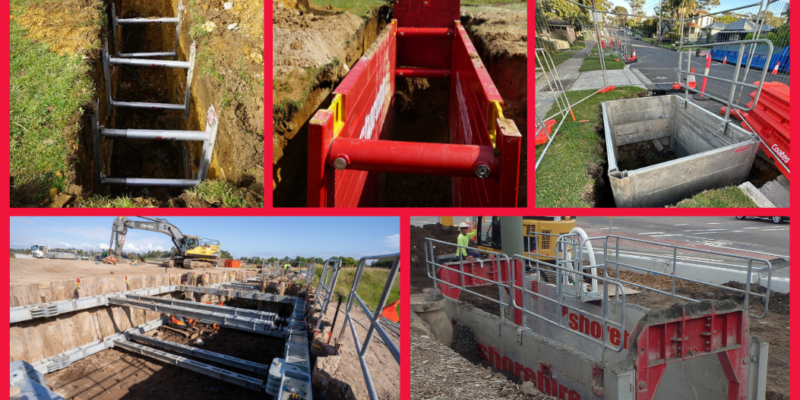
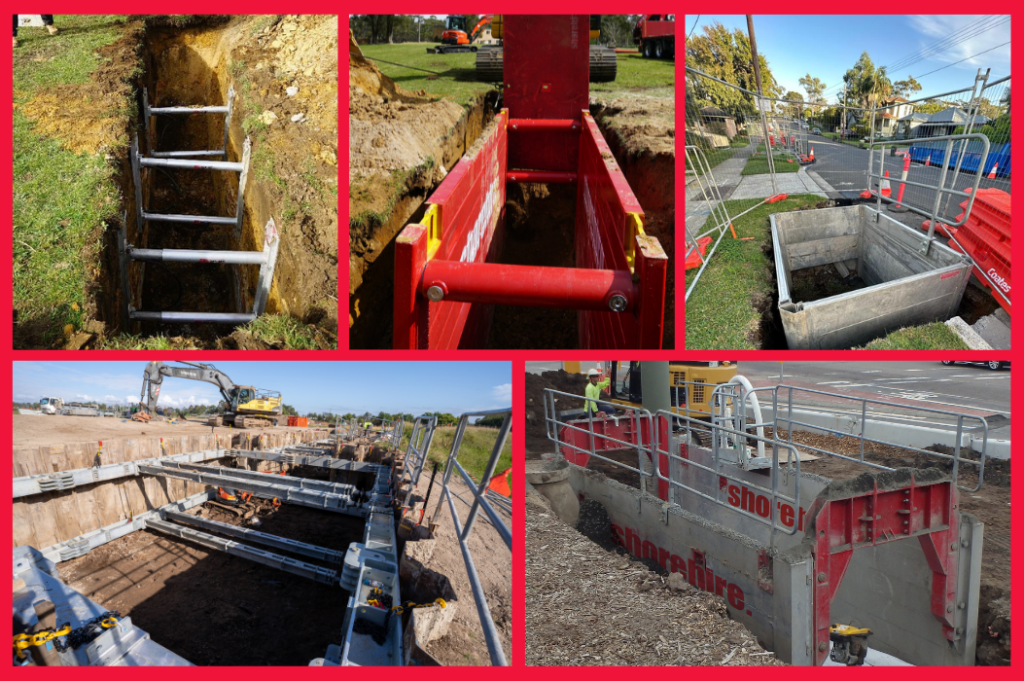
  • Digging new sewer mains:  Due to the depth of these pipes towards the SA Water Street connection, shoring and benching can be required when the trench exceeds 1.5 metres or 5 feet deep.  The purpose of the shoring is to avoid the collapse of a trench while someone is at the bottom, trapping them and killing them.  It is also important to have adequate bunting and signage up while this task is being performed to alert others of what is going on at the time to help them not fall into these deep excavations.
  • Two-storey addition and Roofing:  Both of these tasks are performed at a high level and require scaffolding and fall protection to be set up by licensed scaffolders.  It is also important that the tradespeople performing these tasks wear the correct harnesses and footwear and hand protection to protect themselves during the installation of Hebel wall panels and roofing iron sheets.
  • Certifying Plumbing, Gas and Electrical work:  Performing and Plumbing, Gas or Electrical work should only ever be done by a licensed tradesperson.   This type of work has many standards and rules that need to be performed to deliver a safe installation and one that an eCOC can be issued against to the Office of Technical Regulator.

Working on a safe work site maximises productivity and ensures continuity of tasks throughout the building process.  It reduces the risks of a workplace accident and the loss of money due to having to re-order materials through a mistake of breakage.

At Mayfair Building Group, we have strict procedures in place at each stage of the building process to ensure all of our tradespeople do the right thing and perform their tasks in the right way.  If you want a safe and efficient renovation performed in Adelaide, contact us today at 0429361819.

satin finish timber flooring

Tips On Selecting Natural Timber Flooring

In Adelaide, the majority of homes pre-1970s had some form of timber flooring installed.  Due to the cost and maintenance of caring for timber, many homes had carpet installed over the top.  You will see houses in suburbs such as Unley, Tusmore and Rose Park, which had the borders of the rooms black Japan stained with floor rugs in the middle of the room.

pine timber flooring

Common Timber Flooring

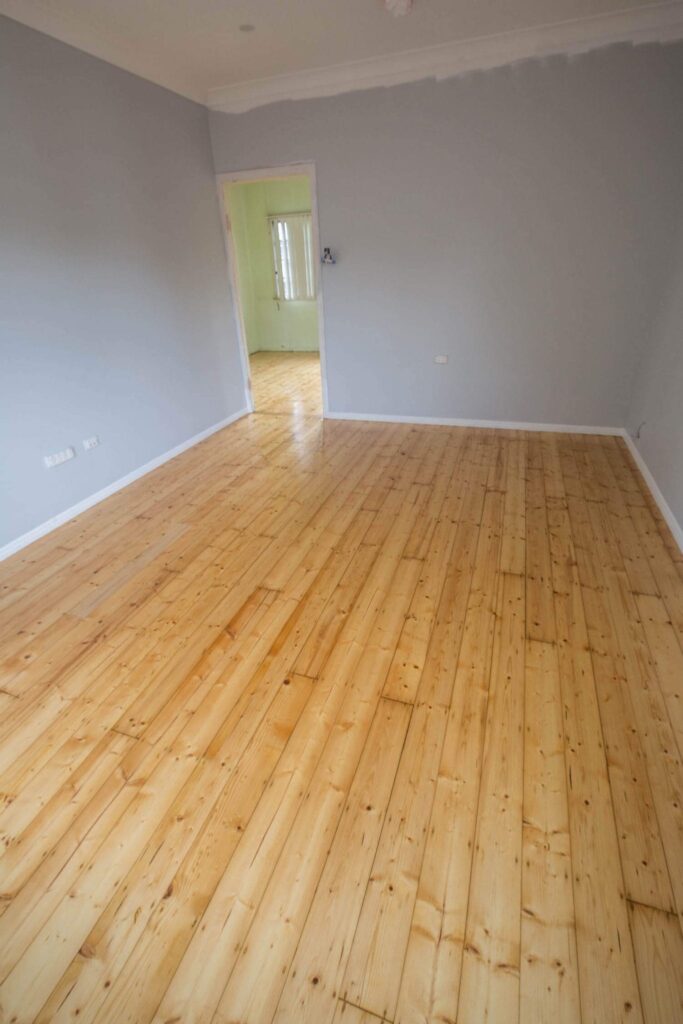
The most common species of timber used for flooring across Adelaide was pine.  It was either Baltic pine or Cypress pine.  Another was Rimu (this was imported from New Zealand and can be commonly found in Adelaide’s eastern suburbs such as Kensington, Hazelwood Park and Leabrook.  This species of timber was used because of the hardness rating compared to pine. 

Janka Hardness Test

To establish the hardness of timber, the Janka hardness test is used, and it measures the hardness of wood species. It involves measuring the force required to embed an 11.28mm (0.444in) steel ball into wood to half its diameter.

This method was chosen so that the result would leave an indention 100mm² (0.16sqin) in size. It is one of the best measures of the ability of a wood species to withstand denting and wear over time. The higher the Janka Rating, the harder the timber is, as shown in the table below:

SpeciesJanka Scale (kN)
Bamboo (strand woven)16.1
Grey Box15.0
Ironbark14.0
Red Mahogany12.0
Turpentine12.0
Spotted Gum11.0
Brush Box9.5
Blackbutt9.1
Forest Reds9.1
Sydney Blue Gum9.0
Karri9.0
Tallowwood8.6
Merbau8.6
Jarrah8.5
Stringybark8.1
Australian Beech7.5
Flooded / Rose Gum7.5
Northern Beech7.5
Messmate7.1
Bamboo (vertical)6.6
Cypress Pine6.1
New England Oak6.1
American Oak6.0
Bamboo (horizontal)5.9
Tasmanian Oak5.5
Victorian Ash4.5
Baltic Pine2.9

As you will see in the table above, Victorian Ash and Tasmanian Oak (Tassie Oak). These two species of timber have a very low hardness rating on the Janka scale and would not be well suited for external use where the likelihood of it getting treated harshly is high, and it would damage the wood easily.  If we then look towards the top of the Janka scale chart, species of timber such as Grey Box and Spotted Gum rank high in the hardness scale and would be much more suitable for external decking and high-volume traffic areas such as sporting venues and hotels.

In our projects across Adelaide, we use a mix of recycled and new timbers.  Sourcing recycled timber locally in South Australia can, at times, be challenging.  On a project we are currently working on in Kingswood, we required 300 lineal metres of Baltic pine 130mm wide and 22mm thick boards.  This all came from interstate in Victoria from a company called Melbourne Recycled Timber.

These timber floor boards were transported across the us in Adelaide and then dispatched to the project in Kingswood.

timber flooring in Adelaide

Installing Timber Flooring

When matching existing timber flooring with recycled timber, we will use the original method of installation, which is nailing and puttying in the holes.  But when we do a project which is all brand-new timber floor and battened off the floor, there is an option to use what we call a secret nail.  The secret nail is installed between the tongue and groove location and concealed; this leaves only the timber on display, with no evidence of a nail or any other fixing visually seen.

Timber Floor Finishes

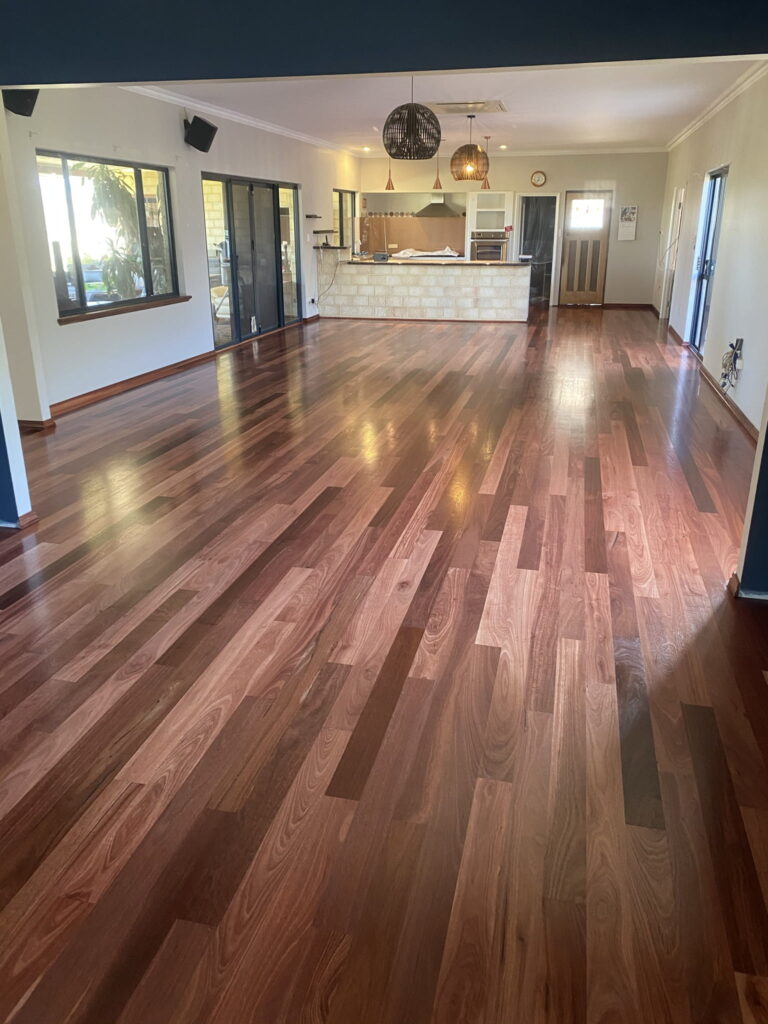
At the end of the timber installation, the boards are sanded and then polished.  Today, the majority of our customers doing a home renovation opt for a satin finish and water-based.  The benefit of the water-based product is that it doesn’t tend to amber as much over time, giving the floor the same colour for a longer period.  Oil-based varnishes were known for their hardness and durability, but over time, technology has achieved the same result using water-based varnishes.  Water-based varnishes have a faster cleanup period without the need for acetone and turpentine chemicals.

The satin finish still leaves the floor looking shiny, just not as highly shiny as a gloss finish.  Another advantage of the satin finish is that it helps hide scratches and marks that may occur over time with general wear and tear.

Timber flooring has made a huge comeback since the late 90s in Adelaide and is still a popular choice for many of our clients in their renovations today.  If you are thinking of renovating your timber floors call the team at Mayfair Building Group today.

polished concrete

Concrete Finishes: Types, Applications, Tools, Techniques, and Maintenance

Concrete finishes refer to surface treatments applied to concrete to achieve desired texture, appearance, and durability. Common types include polished, stained, stamped, exposed aggregate, and broom finishes. Each finish offers unique aesthetics and functional benefits depending on the application, such as floors, walls, or outdoor surfaces.

Introduction to Concrete Finishes

Concrete finishes enhance the visual appeal and strength of concrete surfaces. Popular options include polished concrete, stamped concrete, exposed aggregate, broom finishes and stained concrete. Each type suits specific applications like indoor floors, pool decks and outdoor pathways. Concrete finishes improve durability, produce slip-resistant surfaces and uncover coarse decorative aggregate for aesthetic variety.

Key Uses of Concrete Finishes:

  • Polished concrete flooring for high-traffic indoor spaces.
  • Stamped concrete finish for decorative outdoor spaces.
  • Exposed aggregate concrete for non-slip surfaces like swimming pools and pathways.
  • Broom finish concrete surface for slip resistance in outdoor areas.
  • Stained concrete for richly colored natural stones look in decorative concrete projects.

Types of Concrete Finishes

Concrete finishes vary in texture, appearance, and application. Below is a table of indoor concrete finishes, their descriptions, and best uses.

Finish TypeDescriptionBest Used For
Polished ConcreteGlossy, smooth surface created by grinding and buffingLiving areas, kitchens
Honed ConcreteLess glossy than polished, with a matte finishBathrooms, laundries
Stamped ConcretePatterns or textures imprinted into wet concreteDecorative indoor spaces
Stained ConcreteConcrete colored or stained to match color schemesVarious indoor applications
Epoxy FinishDurable, impact-resistant coatingHigh-traffic areas, commercial spaces
Galaxy MetallicCreates unique, multi-tone patternsOffices, restaurants, showrooms
Swirl FinishUniformly overlapping circular patternDecorative indoor applications

Polished Concrete

Polished concrete flooring has a glossy finish achieved by grinding with diamond abrasives and applying chemical hardeners. It’s very durable, easy to maintain and perfect for indoor floors in homes and commercial spaces.

Stamped Concrete

Stamped concrete finishes involve pressing patterns like natural stone or brick into wet concrete. This decorative finish is often used for outdoor spaces, pool decks and flat walking paths.

Exposed Aggregate Concrete

This finish reveals coarse decorative aggregate by washing away the top layer of freshly poured concrete. It produces slip-resistant surfaces, perfect for outdoor areas like pool decks and pathways typically broomed for added grip.

Broom Finish

Broom finish concrete surfaces are created by dragging a damp broom across wet concrete. This method provides a non-slip surface, making it suitable for sidewalks, driveways and shed floors with high foot traffic.

Stained Concrete

Stained concrete surfaces use acid wash or water-based stains to achieve richly colored natural stones appearance. This decorative concrete finish is popular in both indoor and outdoor projects.

Benefits of Concrete Finishes

Concrete finishes provide multiple benefits for construction and design projects:

  • Durability: Polished concrete and epoxy finishes create extremely durable surfaces that withstand heavy foot traffic and impact.
  • Aesthetic Variety: Options like stamped concrete and stained finishes mimic natural stone, brick and fine or medium textures.
  • Slip Resistance: Broom finish concrete surfaces and exposed aggregate finishes offer non-slip surfaces for outdoor areas like swimming pools and pathways.
  • Low Maintenance: Polished concrete flooring requires minimal upkeep, only regular cleaning and occasional resealing, compared to other finished like painted concrete floors.
  • Cost-Effective: Concrete finishes provide a long-lasting, affordable solution compared to natural stone or tile surfaces.

Data-backed Benefits:

  • Polished concrete floors can reduce maintenance costs by up to 60% compared to other flooring options (source: Concrete Network).
  • Stamped concrete finishes cost 25-50% less than natural stone paving (source: HomeAdvisor).
  • Exposed aggregate concrete increases slip resistance by 30% over plain concrete, making it ideal for pool decks and outdoor spaces.

Tools and Materials for Concrete Finishing

Concrete finishing requires specialized tools for each technique. Essential tools include:

  • Trowels (steel, magnesium) for creating smooth finishes.
  • Concrete mixers for preparing consistent concrete mix.
  • Stamps and molds for imprinting patterns in wet concrete.
  • Power trowels and grinding discs for polishing processes.
  • Concrete sealers to protect finished products and enhance durability.
  • Diamond abrasives for polishing concrete floors to a glossy finish.
  • Rock salt for creating salt finish concrete surfaces by embedding coarse rock salt crystals into the surface.
  • Brooms and brushes for producing slip-resistant surfaces.

Example:

To achieve a polished concrete finish, use diamond abrasives for grinding, followed by chemical hardeners for a durable surface.

Techniques for Concrete Finishing

Concrete finishing techniques delivers the final product. Here are some techniques:

  • Trowel Finish: Smooth finish by troweling over the surface of fresh concrete.
  • Stamped Concrete Finish: Imprint patterns with molds while the concrete is wet.
  • Exposed Aggregate Finish: Wash away the top layer to reveal coarse decorative aggregate.
  • Broom Finish: Drag a damp broom for slip resistance.
  • Salt Finish Concrete Surface: Embed coarse rock salt crystals, then wash them away to leave a textured surface.
  • Polishing Process: Grind concrete slabs with diamond abrasives and apply chemical hardeners for a polished finish.

Steps for Polished Concrete Flooring:

  1. Grind the concrete floor with a diamond abrasive grinding disc.
  2. Apply chemical hardeners to the cement matrix.
  3. Grind again to desired finish.
  4. Seal the surface for added durability and slip resistance.

Applications of Concrete Finishes

Concrete finishes can be used in:

  • Indoor Floors: Polished concrete flooring in living rooms, kitchens and offices.
  • Outdoor Areas: Exposed aggregate and broom finish concrete for pool decks, driveways and pathways.
  • Decorative Concrete: Stamped concrete and stenciled concrete for patios and entryways.
  • Commercial Spaces: Epoxy-coated concrete floors in warehouses and retail stores.
  • Swimming Pools: Slip resistant surfaces using exposed aggregate or broom finishes.

Maintenance of Concrete Finishes

Proper maintenance will ensure the longevity of concrete finishes. Here’s how:

  • Regular Cleaning: Use a damp mop or broom to remove dust and debris.
  • Sealing Concrete Surfaces: Reapply concrete sealer every 2-3 years.
  • Repairing Damages: Patch cracks or chips with the right concrete mix.
  • Polishing: Buff polished concrete floors periodically with diamond abrasives.
  • Preventive Measures: Avoid harsh chemicals and use protective pads under heavy furniture.

Common Questions

Below are common questions we get asked about this topic.

Can indoor concrete floors be heated?

Yes, indoor concrete floors can be heated. Concrete’s thermal mass retains heat from radiant floor heating systems and distributes it across the living space.

How does indoor concrete flooring affect acoustics?

Concrete floors reflect sound, causing echoes. Use area rugs, acoustic panels or sound-dampening treatments to improve room acoustics.

Can I change the color of an existing indoor concrete floor?

Yes, stain, dye or apply a pigmented overlay depending on the floor and desired result.

How does indoor concrete flooring affect indoor air?

Sealed concrete floors keep dust, allergens and VOCs out making them perfect for allergy sufferers.

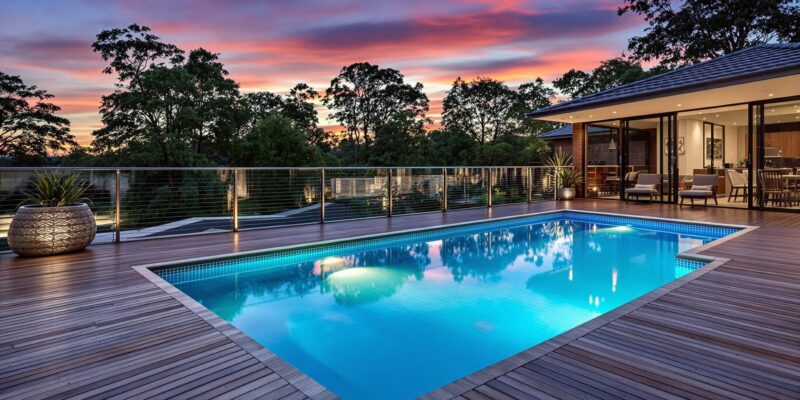
A timber deck surrounding a swimming pool in Australia at dusk

What Is The Best Timber For Decking In Australia?

Building a deck enhances your outdoor spaces, creating a functional and beautiful area for relaxation or entertainment. Selecting the best timber for your decking project requires careful consideration of durability, cost-effectiveness, appearance, and maintenance.

We look at the different types of decking wood, their pros and cons, and how to choose the right materials for your outdoor decks. Whether you’re looking for hardwood decking, softwood decking, or alternatives like composite timber, this article provides all the essential details.

Why The Type Of Timber Matters

The right timber will give you durability, good looks and low maintenance costs. Wood types vary in durability, weather resistance and appearance so you need to match the material to your climate and intended use.

For example some timbers like spotted gum and jarrah are very durable and are perfect for outdoor use in harsh climates. Choosing the wrong one could mean warping, splitting or termite damage.

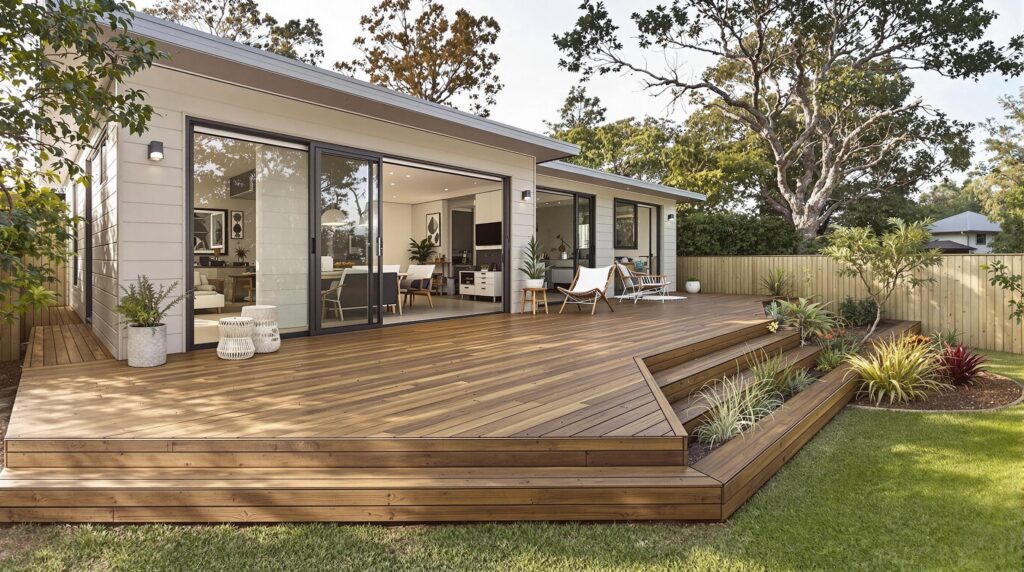
a wooden deck around a home in Australia

What to Consider When Choosing Decking Wood

Before you buy decking materials consider the following:

  • Durability: Look for Australian hardwoods or pressure-treated pine which resist rot, warping and insect damage. These are great for above ground use. Of all the hardwoods teak stands out for its durability and ease of use.
  • Appearance: Consider colour and texture. Teak and jarrah offer rich dark browns and attractive markings while pine decking has a lighter more rustic look.
  • Cost: Softwoods like treated pine are a budget option. They are cheap and widely available.
  • Maintenance: All wood requires maintenance but hardwood decking requires regular oil and staining to keep its natural colour and durability.
  • Climate Suitability: For bushfire prone areas in Western Australia consider timbers with a high BAL rating like spotted gum which are also fire resistant.

Hardwood Decking Options

Hardwood decking is known for its durability, good looks and weather resistance. A jarrah deck is a premium hardwood option with many colours and a sophisticated look. It’s also very durable, fire resistant and long lasting if maintained properly so it’s a popular choice for homeowners looking for quality timber decking. Here are some of the most popular hardwood options:

Hardwood Decking Options

Hardwood decking is known for its durability, good looks and weather resistance. A jarrah deck is a premium hardwood option with many colours and a sophisticated look. It’s also very durable, fire resistant and long lasting if maintained properly so it’s a popular choice for homeowners looking for quality timber decking. Here are some of the most popular hardwood options:

HardwoodDurabilityAppearanceApplicationsCost
Spotted GumExceptionalRich, dark brownsHigh-traffic areasModerate
JarrahHighDarker shades, smoothOutdoor use, decksHigh
TeakVery HighGolden hue, weather-resistantLuxury outdoor decksPremium
IronbarkExtremely HighRustic, dense grainAbove-ground applicationsPremium
MerbauHighReddish-brown, oily textureVersatile decking areasAffordable

Features:

  • Spotted gum and jarrah are Australian hardwoods with fire rating.
  • Teak is very durable and weather resistant.
  • Merbau is budget friendly and termite resistant.
  • Timber decks need the right wood selection to ensure durability and low maintenance, protection from water, insects and weather damage.

Softwood Decking Options

Softwoods like treated pine are used for decking projects because they are cheap and easy to use. These woods are budget friendly but need proper treatment and care to last.

SoftwoodDurabilityAppearanceApplicationsCost
Treated PineModerate (treated)Light color, rusticBudget-friendly new decksLow
CedarModerateWarm reddish tonesOutdoor decksModerate
RedwoodHighRich, natural tonesDecorative decking areasHigh

Features:

  • Treated pine is chemically treated to resist termites and rot so it’s suitable for above ground use.
  • Cedar and redwood are more weather resistant but more expensive than pine.

Composite decking combines wood fibres with plastic for a low maintenance and durable option to traditional wood. Perfect for homeowners looking for competitive pricing and sustainability.

Composite Decking as an Option

FeatureNatural WoodComposite Decking
DurabilityVaries by speciesVery high
MaintenanceRequires oiling/stainingMinimal
Aesthetic AppealAuthentic wood textureCan mimic wood or modern styles
CostModerate to highModerate to high
Environmental ImpactVariesMade from recycled materials

Composite Timber Benefits:

  • Rot, mold and insect resistant.
  • Available in dark browns, darker shades and other colours for customisation.
  • No staining or regular oiling required.

Wooden Deck Maintenance Tips

Proper care extends the life and look of your deck. Follow these:

  1. Cleaning: Use soap and water to remove dirt and mildew. Pressure wash for deeper clean.
  2. Sealing: Apply water resistant sealant every year to protect from moisture and UV.
  3. Staining: Use a good stain to enhance the wood’s natural colour and wear.
  4. Regular Oiling: Required for hardwood decks like teak or spotted gum to maintain finish.
  5. Inspection: Check for rot, splintering or loose nails and fix ASAP.

Water Protection

Water protection is key to extending the life of your deck and prevent damage. Water can get into the wood and cause it to expand and contract and lead to rot, decay and even mold and mildew. To protect your timber deck from water damage try:

  • Regular Inspections: Check your deck frequently for water damage or leaks. Early detection can prevent minor issues from becoming major problems.
  • Proper Sealing: Make sure your deck is sealed with a good quality waterproof sealant. This will create a barrier that prevents water from getting into the wood.
  • Cleanliness: Keep your deck clean and debris free. Leaves, dirt and other materials can trap moisture and lead to rot and decay.
  • Waterproof Membranes: Install waterproof membranes or flashing around areas where water tends to collect like around posts or railings. This extra layer of protection will reduce water damage.
  • Water-Repellent Treatments: Apply water repellent treatment to your decking timber. These treatments will protect the wood from the elements and extend its life.

By doing these you can protect your deck from water damage and have it safe and functional for years to come.

Get Decking Timber from Reputable Suppliers

When it comes to getting decking timber, choosing a reputable supplier is key to get good quality materials. Here are some tips to find and evaluate suppliers:

  • Research and Reviews: Start by researching local suppliers and reading reviews from other customers. This will give you an idea of their reputation and material quality.
  • Sustainable Practices: Look for suppliers that offer sustainable timber and practice responsible forestry. This is good for the environment and your decking wood’s longevity.
  • Options: Make sure the supplier has a variety of timber species and options available, including Australian hardwoods and composite decking. A wider selection means you can choose the best decking material for you.
  • Transparency: Check if the supplier provides clear information about the timber’s origin, grade and quality. Transparency is a good sign of a reputable supplier.
  • In-Person: If possible visit the supplier’s showroom or warehouse and see the timber in person. This will allow you to inspect and make a decision.

By getting decking timber from a reputable supplier you can have your deck built with good quality materials that will last for years to come.

Budget and Cost for Timber Decking

When planning a timber decking project budgeting is key. Here are some tips to help you manage costs:

  • Set a Budget: Determine your overall budget for the project including the cost of materials, labor and any necessary permits or inspections.
  • Compare Prices: Research different types of timber decking and compare prices. Treated pine is more budget friendly while hardwoods like jarrah and spotted gum are more expensive but more durable.
  • Maintenance Costs: Consider the long term maintenance costs. Hardwood decking will need regular oil and stain while composite decking needs minimal maintenance.
  • Value Add: Think about the long term value of your deck. A good deck will add to your outdoor space and increase the value of your home.
  • Extras: Factor in the cost of any extras or upgrades like lighting, railings or custom designs. These will add to the cost but will also add functionality and style to your deck.

By considering these costs you can create a budget for your timber decking project that suits you and your budget.

What Wood to Choose – Final Points

Choosing the right wood depends on the decking area, your budget and the local climate. Hardwood decking like jarrah and spotted gum is best for high durability and above ground applications. If on a budget treated pine is a cost effective option. If low maintenance and sustainability is your priority then composite decking is the way to go.

Choosing the right decking wood for your outdoor deck requires consideration of timber species, costs and durability. Australian hardwoods like spotted gum and jarrah are popular for their durability and fire resistance. For budget options treated pine and other hardwoods like merbau are versatile. Composite timber is low maintenance and eco friendly. By assessing your outdoor space, climate and budget you can choose the best decking timber for your new deck.

St Georges Renovation Project – Adelaide

St Georges in Adelaide’s eastern suburbs is well known for its wide leafy streets that travel from Port Rush Road to Sunnyside Drive.  Highfield Avenue and Wootoona Terrace and the other two major roads that border St Georges, before crossing into Linden Park and Glen Osmond. 

On average, many houses sit on large blocks of land, around 850 square metres.  The frontages of these properties are typically 18 metres wide and meet the Burnside Council requirements for sub-division.  The Burnside Council usually want a minimum of 9 metres of frontage per home and an overall block size of 400 square metres to allow a sub-division to occur.

However, not every homeowner wants to split their block, and the cost of selling a home and stamp duty has changed many homeowners’ minds, and they are opting to stay put and renovate their homes instead (source Karen Stewart – Langley Real Estate).

We were recently engaged by a client in St Georges to renovate their home.  The project involved the following:

The project was designed to not affect the client’s living circumstances and avoid them having to move out during the project.  The fact the client had 2 bathrooms made this process a lot smoother as we could do one at a time and not need the use of a temporary ensuite.

Market trends for 2025 in bathrooms

The bathroom renovation market changes each year and as we now look into 2025 we are starting to see a lot more trends already popping up:

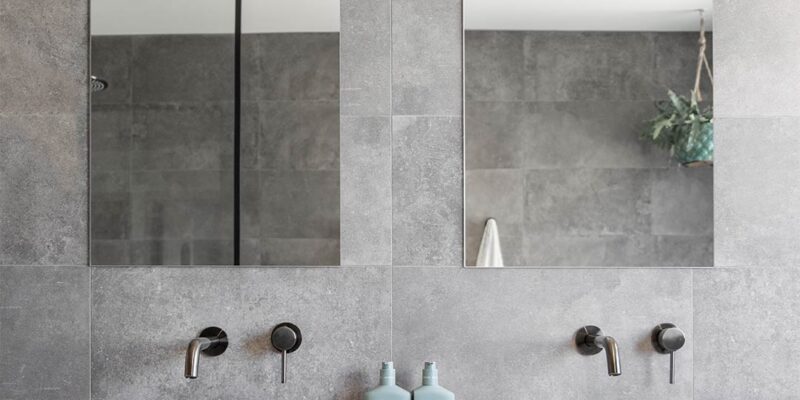
  • In wall toilet cisterns (pictured)
  • Wall-mounted mixer tapware (in the picture from Phoenix Tapware)
  • Introduction of various colour schemes in tap ware, fixtures and hardware
  • Feature walls with small kit-kat style tiles
  • Induction cooktops
  • Stone benchtops throughout all rooms
  • Integrated fridges and dishwashers
  • Scallop board walls
  • Freestanding baths

As a Luxury Bathroom renovation company in Adelaide, it is our priority to bring all our clients the latest options for their bathrooms to ensure their selections remain on trend for many years to come and don’t age quickly. We use some of Adelaide’s leading Architects and Interior Designers to get the perfect result every time.

Creating the St Georges Renovation Project

After the design and selection process has been performed it is time to implement this onsite.  A typical bathroom renovation will take between 5 to 6 weeks to perform this allows for the site measure and installation of shower glass and any custom mirrors.

The kitchen is a little more straight forward.  Once the old kitchen has been ripped out the services such as plumbing and electrical can be performed and the final site measure performed.  Once the kitchen cupboards and overheads have been installed the stone benches can be measured and the lead time on these is then between 2 to 4 weeks.

A typical laundry will also follow the same processes as the kitchen, provided there are no structural modifications to be performed.

History of Mayfair Building Group

Mayfair Building Group is made up of a combined industry experience of exceedingly well over 50 years of building works across Australia and Overseas.  Our knowledge and experience are what we are proud to offer to our new and existing clients across all of Adelaide.  We are based in Burnside and have a strong presence in the eastern suburbs, such as Rose Park and Kensington, but we also perform many projects in locations such as Wattle Park, Toorak Gardens, Erindale and Rosslyn Park.